*This post may contain affiliate links. As an Amazon Associate we earn from qualifying purchases.
If you are wanting to paint your RC car body because it needs it or simply because you are tired of the way that it looks then you will likely want to know how long that it takes to dry. This is important especially when you are painting multiple coats as you will want the paint to dry between coats so the paint doesn’t start to run.
The paint on your RC car will be dry to the touch within 15-20 minutes but it will take 24-48 hours to fully cure. So in between coats you will only have to wait the 15-20 minutes but it is best to wait 24-48 hours before racing with your newly painted RC car.
How long it takes to dry to the touch as well as cure varies a considerable amount based on air temperatures, the type of paint used, how thick each coat is, air humidity, and more. The numbers listed above are just general guidelines so if you are spraying really thick coats it might take much longer than 15 minutes before you should paint again.
If you are painting in the direct sunshine outside it might only take a few minutes before you are ready for the next coat!
Another thing that will affect your dry time is the type of paint that you are using. If you are using paint that is specifically designed for RC car bodies then it will dry much faster than paint that is not. These are just some of the things that you should keep in mind when trying to determine your paint’s dry time.
To see the most popular RC cars and accessories on the market right now just click here.
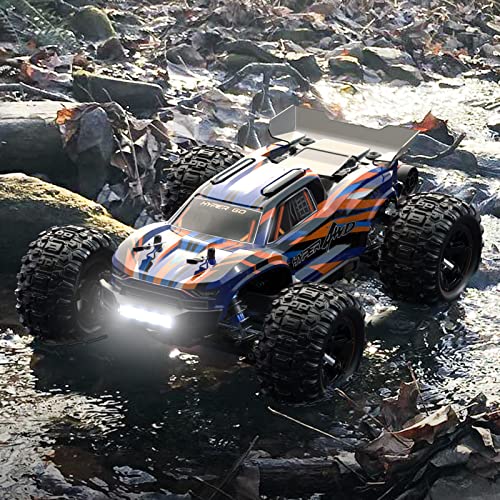
A good RC car doesn’t have to cost a fortune. This 1/16 scale model is 4WD and can reach a top speed of almost 30 MPH!
With speeds like that and 4WD you can take this RC car almost anywhere!
What kind of paint do you use on RC bodies?
There are a variety of paints that you can use on RC bodies and many people have reported using normal wall paint as well as normal spray paint that you would get at local retailers as well.
You can use virtually any type of paint that you want on your RC car body but paint that is specifically designed for use on RC bodies will adhere better and last much longer than using paint that is designed for other things.
No matter which type of paint you are planning on using you should always use light coats and spray paint or using normal paint with a paint sprayer will give you a much better finish than if you are using a brush to paint the body.
That isn’t to say that you can’t use a small brush to do detail work etc. but unless you are careful you will be able to see the brush lines and those obviously won’t look the best in most cases.
Can you spray paint polycarbonate?
If you have an RC body that is made of polycarbonate you might be wondering if you can use spray paint on it and how well that will work.
You can actually use spray paint on polycarbonate as long as you do the proper preparation first. There is actually spray paint that is specifically designed to be used on polycarbonate bodies that will work far better than normal spray paint.
You can find some of those spray paints that are specifically designed for polycarbonate bodies on Amazon by clicking here.
The main issue with these special spray paints is that they are far more expensive than normal spray paint that you would get at your local store. Many people prefer to simply do a little more prep work by sanding and cleaning and then use the cheaper cans of paint. You can certainly go this route and if it doesn’t look good then simply strip off what you have done and start all over again.
How long does Tamiya paint take to dry?
If you choose to use one of the paints that are specifically designed for RC car bodies you will likely come across Tamiya paint as it is the most popular and well reviewed paints of those that are designed specifically for RC bodies.
Tamiya paint typically takes between 10-15 minutes to dry between coats and Tamiya recommends waiting at least 24 hours for the paint to fully cure before using the RC vehicle.
Just like with all other paints this dry time can be affected by the weather conditions, where you paint it out (indoors or out), and how thick of paint coats you put on. Many people have reported that they can get by with much less coats using Tamiya paint which in turn will decrease the total required dry time as well.
Tamiya RC paints are great options for painting your RC bodies and you can find all of the available colors by clicking here.
Tamiya paint drying times between coats
As mentioned in the section above Tamiya makes some great paint for model cars as well as RC cars. You certainly want to wait until the first coat is dry before you apply the second one but how long should you wait between coats when using Tamiya paint?
You should wait 10-15 minutes between coats if you are using Tamiya spray paint. If you are using Tamiya acrylic paint then you should wait 1-2 hours between coats to make sure that it is dry.
The reason for this huge difference in time between coats is that the spray paint coats will be much thinner than coats using the acrylic paint and a brush. The thinner coats done by the Tamiya spray paint will definitely dry a lot faster than thicker coats using a brush.
The factors mentioned earlier such as weather conditions, wind, sunlight, etc. will also still play an important role in shortening or lengthening the drying times but for those specific types of Tamiya paints that is the approximate time you need to wait between coats.
If you find that your paint is still tacky when you go to put on the next coat then give it a little more time to dry and then use that longer time frame moving forward.
Can you use acrylic paint on a polycarbonate RC body?
Knowing which type of paint that you can use on your RC body is very important before you ever buy the paint or begin painting. Each type of paint works best on different types of materials but does acrylic work well on polycarbonate?
Acrylic paint will work just fine on a polycarbonate RC car body but there are better options for polycarbonate as well. Tamiya makes some spray paints that are specifically designed for only polycarbonate RC bodies and those will work the best.
You can find those specific Tamiya paints that are designed for use on polycarbonate bodies by clicking here. Although you can use acrylic and virtually any other type of paint on RC bodies, the paint that is designed for polycarbonate will work the best.
Conclusion
I hope that this article has been helpful to you in answering some of the most asked questions about painting your RC car body. You should now be much more prepared to begin your painting project than you were before you read this article and hopefully you now can get you perfect paint job done.
It is important to remember that you should always tape off extremely well as the most difficult part of a paint job is when you don’t tape properly and have to try and fix the parts that weren’t supposed to get paint on them. Be sure and paint your RC body in a location where it won’t have wind blow a bunch of dust and dirt onto your new paint job as well as sanding off your fresh paint it never any fun!