*This post may contain affiliate links. As an Amazon Associate we earn from qualifying purchases.
If you have an RC car then you will obviously have tires on it (amazing, right?). With most RC tires they will be glued to the rims and you will have to reglue them when the glue comes off or when replacing the tires.
When going through this process you will probably be wondering how long you need to leave the glue before it becomes fully dried and you can use your RC tires again. We will try to fully answer that question in this article.
The time it takes the RC tire glue to dry will vary from manufacturer to manufacturer but generally the glue will take 1-2 hours to dry and reaches its maximum strength 24 hours after the glue was applied.
If possible you should not run your RC car for the first 24 hours after gluing so as not to mess up the glue and have to redo it. If you can’t wait that long then waiting a couple of hours will work as the glue will still be strong but it won’t be as strong as if you wait a full 24 hours.
The glue itself will dry to the touch in just a few seconds but to be fully cured it takes around 24 hours for most glues on the market. It is always better to wait and let the glue cure for a longer period of time than it is to race too early and have to reglue your tires.
To see the most popular glue for your RC tires just click here.
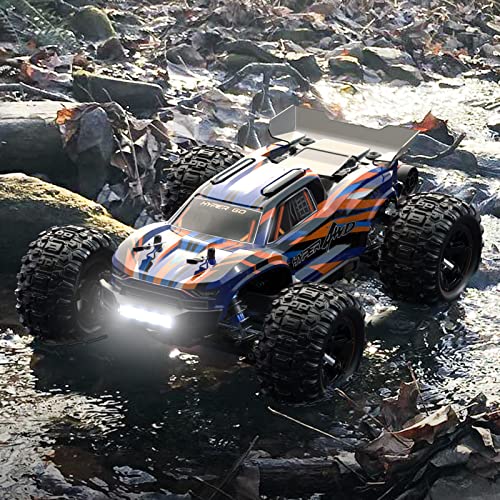
A good RC car doesn’t have to cost a fortune. This 1/16 scale model is 4WD and can reach a top speed of almost 30 MPH!
With speeds like that and 4WD you can take this RC car almost anywhere!
What is the best glue for RC tires?
There are a variety of glues on the market that you can choose from. Some glues are even made or at least branded by the top RC car companies such as Traxxas (found here) but does that make them the best?
The best glue that we have found for RC tires is the Proline Pro-Bond Tire glue. This glue dries to the touch fast while also drying clear so if you mess up a little and get it in the wrong spot it won’t be very noticeable.
Many people prefer this glue because the tip on the bottle makes it incredibly easy to glue your tires right the first time. Nothing is more frustrating than trying to glue your RC tires and getting the glue everywhere because it comes out too fast or inconsistently but with this tire glue that will never happen!
You can learn more about this specific glue as well as read all of the reviews for it by clicking here.
Some other popular RC tire glues that many people have reported having excellent results with are:
Ultimately you have to check out the reviews for each one and then do some testing to see which holds best for your RC car tires. Proper cleaning is vitally important so make sure the tires and rims and cleaned thoroughly before you ever start to apply the glue.
Can you use Gorilla glue for RC tires?
Virtually any glue will work when you are glueing your RC tires to the rims but some are less messy than others. Basically any glue that is made of cyanoacrylate (CA) will work great for gluing your RC tires.
Gorilla glue will work for gluing your tires but it will normally leave a pretty big mess behind. Since it will normally foam a bit while it hardens, that will be easily noticed on the tires/rims and will leave behind quite a mess.
If you are trying to have your RC car look amazing then you will not want to use Gorilla glue on the tires as it will look quite awful despite it holding just fine. There are tons of other options on the market that are specifically designed for RC car tires that will give you a much better finished product.
Do you have to glue RC car tires?
For RC car tires gluing or not gluing them is an often debated topic. Some people who have never glued their RC tires swear that it is a waste of time and money while the people who glue their tires often think that those who don’t are idiots.
But which one is right?
Glue is not required for your RC car but it will diminish the performance of the vehicle as sometimes the rims will spin and not move the tires at all or as much. This in turn will especially hurt your acceleration and possibly your top speed as well.
If you are just driving your RC car around the neighborhood or park and are not concerned with the acceleration or top speed then not gluing your tires could save you a bit of hassle as that makes it super easy to remove them from the rim and dry them out if water or dirt gets inside of them.
On the other hand, glued RC tires will not only have better performance but they will also help to keep more water, dust, and debris out which in turn will keep your tires working like new for longer.
Another downside of not gluing the tires is that sometimes when you are driving or going around a corner fast the tire might move on the rim causing your car to falter, flip or get damaged otherwise as well.
In most situations and most of the time it is better to glue your RC car tires but you don’t HAVE to.
Can you use super glue on RC car tires?
This is a relatively common question that many people who are new to RC cars and gluing the tires will ask. Honestly the answer is quite similar to the one above about using Gorilla glue.
You can use super glue for your RC car’s tires but it is normally better to buy a glue that is specifically designed for RC tires. Super glue is much harder to get the right amount on the tires and it is often much more messy than using a normal RC tire glue.
If you find yourself in a pinch and only have some super glue around then you can definitely use it for your RC car’s tires but it is not the best option.
Conclusion
Hopefully this article has answered your questions not only about RC tire glue and how long it takes to dry but also some other important questions about RC tire glue and which glues work the best.
In general RC tire glue will dry to the touch in just a few seconds while it can take a full 2 4 hours to cure entirely. If possible you should wait a day or two after gluing to use your RC car again but if you can’t wait that long then the minimum amount of time that I would recommend waiting is a couple of hours.