*This post may contain affiliate links. As an Amazon Associate we earn from qualifying purchases.
Have you started RC racing, and enjoying the hobby, and now you are interested in earning money or even making a career out of it? I’ve gathered some information about what the return is in RC racing.
How much do RC racers make? The winnings for a race may be money or gear, but most of the time, the winner only receives bragging rights or trophies. If a racer is sponsored, they may receive a salary, perks, and contingency. The amount earned varies on the number of sponsors.
If you are interested in earning any money RC racing, you can do this by winning races and also by being sponsored. However, you need to understand what it takes to get sponsored and what is expected of those who are.
To see the most popular RC cars on the market just click here.
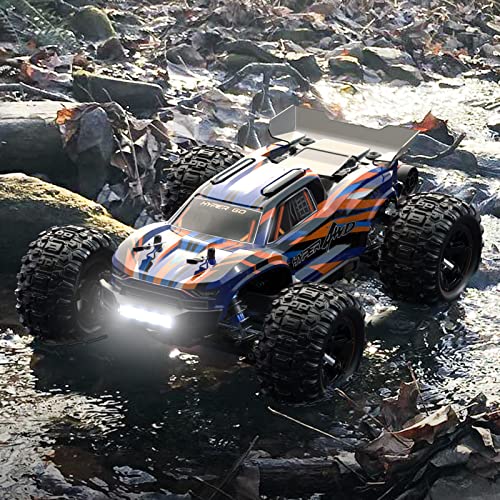
A good RC car doesn’t have to cost a fortune. This 1/16 scale model is 4WD and can reach a top speed of almost 30 MPH!
With speeds like that and 4WD you can take this RC car almost anywhere!
Payout Vs. Investments:
For the average RC racer to start out, they will invest about $1000 in their vehicle and will have maintenance costs of up to $300 on their car every year. The cost of local races are about $15 for the first vehicle and sometimes have a reduced price for subsequent vehicles. The winnings of these local races vary, but most of the time, a winner only receives bragging rights and possibly some gear.
Perhaps you are considering being sponsored to help with the costs of the hobby or become sponsored to continue racing. You need to recognize the investment, both in time and finances, that will be involved in finding a sponsor.
What Does It Take to Get Sponsored?
Ryan Harris, an RC racer and Youtuber, posted an interview with Jason Ruona. He and Jason discuss what a manufacturer looks for when they are considering sponsoring someone. Jason listed the following things as necessary:
● Do you have your equipment together?
● How skilled are you at driving?
● Do you race a lot and support the local scene?
● Are you active on social media and influential?
● Do you show determination and dedication?
● Are you willing to help others and talk up the product?
● Are you using their products?
So your racing ability is not the only factor considered.
For a young racer to have real potential at having a sponsorship, they need to be a mature racer. Jason said he often sees that kids don’t stick around but go off while their dad’s clean up.
It’s essential to build a portfolio. You might be thinking portfolios are only for serious jobs, but a sponsorship is a type of job. By putting together a portfolio of some sort, you are showing your potential boss—the sponsors–how serious you are.
What are some things that should go into a portfolio?
Your results. This would be the most important. The more detailed you can be about this, the better. A spreadsheet would be a good way to do this. When you set up your sheets, do more than a win-loss column. Include things such as location, track type, time, even results of the top three players. Not only will this help you, but it will also impress the potential sponsor. Will they look at every detail? Probably not, but will they be impressed by your attention to detail? You bet!
Social Media. Post events on your Facebook, Instagram, and Twitter. Use those to document your attendance at events, your purchase of the sponsor’s products, and so on. You might even want to consider setting up a blog of some sort. A simple WordPress site would be a great place to post pictures, links to other resources, and blog posts about different races.
You could even use your blog as a portfolio. That way, if you’re talking to someone and you want to show off what you’ve done, get out your phone. Go to the blog and let the sponsor check it out. Hopefully, they’ll ask you to send a link. Give yourself an imaginary fist bump if they ask.
Who Should I Talk to?
So, let’s say you want to talk to someone else about getting a sponsorship. Who should you talk to?
RC shops — if you are a regular customer and they know your face, talk to the owner. He or she might know of some opportunities for sponsorship. Check on the website if you want, but it’s better to go in and talk to someone face-to-face.
Track owner — The owner of the track would probably know as many, or even more people, than the RC shop folks. Sure, the owner of the RC shop knows the sales reps of the manufacturers, but the track owner also knows the racers, other track owners, the sales reps, and more.
How Much Do Sponsored RC Racers Make?
Many RC racers may hope to make a career out of racing, but the payout, even when sponsored, isn’t guaranteed to be enough to make a living. You may have seen articles or reports about races paying out hundreds or thousands to one person, but there isn’t a guarantee that success is routine or regular.
The amount a racer receives in income can vary from a few hundred dollars a month to thousands a year, depending on the number of races won and the number of sponsors one has. People speculate that racers like Ryan Maifield or Jason Cavalieri are estimated to earn over $100,000 a year, but since they won’t tell, no one knows for sure.
Most sponsored racers still have full-time jobs. Some of them are employed by the sponsor’s company, and they may be on the Research and Development team. They are expected to use the products and help figure out the best products to offer on the market in the weeks to come.
Mark Santa Maria discusses earnings and estimations of what racers can earn in his YouTube video. Check it out if you want to hear from a racer.
Types of Sponsorships
Not all sponsorships are the same. What follows is a list of some of the different types:
· Media sponsors. If you’ve watched YouTube videos of other RC racers that have a bunch of videos about a specific product or manufacturer, chances are they have a media sponsorship. This means there is some kind of financial arrangement between them and the manufacturer. Often this would mean they get a small percentage of every product that is sold.
· In-Kind Sponsorship. This type of sponsorship is similar to a media sponsorship, except you get to keep the goodies, or the manufacturer will give you parts that will help you get your racer to the next level. No money is exchanged, so your only pay is that you didn’t have to buy a new pair of tires for your racer.
· Full Sponsorship. This type of sponsorship is for racers who have a media presence, show up at major events, keep a YouTube channel or other social media presence. In order for a manufacturer to pay you to race, you have to be able to bring in a lot of revenue. This is a rarity in the RC racing world.
What Is Expected Of Sponsored RC Racers
Winning is 100% expected of you. Sponsors expect racers to produce results! The companies want winning racers to represent their products. If you don’t receive free products as part of your sponsorship, you will have to use your money to buy what they expect you to use. So you may not end up saving much money on products even with a discount.
As well, if you don’t continue to win races, they won’t keep you on. A racer is expected to win despite recently having traveled or not knowing the track. The sponsors want people with helpful and friendly attitudes to give good publicity. They want racers who are willing to support other racers and help where they can around the race, answer questions, and be involved online.
Who is the best?
One of the best RC car drivers ever is Hirosaka Masami. Whether he is the best driver is certainly up for debate but he is an amazing one with some great skills!
Want to watch him in action? Check out this race in the video below.
Final Thoughts
As you aspire for a sponsorship, remember it is going to take time to build a portfolio, experience, and rapport with others in the local scene before it can become a reality. While working toward sponsorship, don’t lose sight of why you got started in the sport! Continue to be a team player and build the local RC racing community. When it comes to money, remember even most great racers still have full-time jobs.