*This post may contain affiliate links. As an Amazon Associate we earn from qualifying purchases.
It’s happened to many RC car enthusiasts before. You have a great car that can pick up on any signal fairly quickly, but all of a sudden, things go south. It crashes into walls, starts to get sluggish on reading signals, or just doesn’t steer at all.
How do you fix an RC car that loses its signal? You will need to troubleshoot the problem in order to determine what’s broken. Once you diagnose your problem, you can either do a quick fix or replace the part that is causing the issue. Fixing an RC car that has lost its signal is usually not as hard or tech-heavy as you’d think it to be.
In this guide I will help you figure out the best way to fix your RC vehicle that is losing its signal.
If you are interested in checking out some of the latest RC cars that have tons of new features you can find them by clicking here.
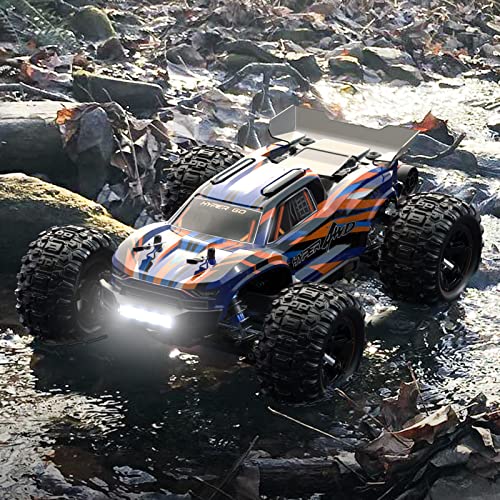
A good RC car doesn’t have to cost a fortune. This 1/16 scale model is 4WD and can reach a top speed of almost 30 MPH!
With speeds like that and 4WD you can take this RC car almost anywhere!
How Do You Fix An RC Car That Lost Its Signal?
A broken RC car is a hobbyist’s worst nightmare, but thankfully, it’s rarely ever a matter of needing to replace your entire car. After a little troubleshooting, it’s easy to get most problems solved quite quickly without too much work.
Making Sure Your Equipment Is Properly Set Up
The first thing you need to do is make sure that your car is actually set up properly and has everything you need to actually receive transmissions. This is a fairly easy thing to do. Just follow this list below:
- Determine if you’re using the right frequency. If you recently bought a new transmitter for your car, the first thing you should do is check to see that your car’s frequency and transmitter frequency match. If they don’t, either adjust the transmitter (if you can) or switch the transmitter.
- Make sure your car and transmitter both have fresh sets of batteries. RC cars can lose their ability to pick up on transmissions if their batteries are on the verge of dying. The same can be said about a transmitter’s ability to send signals. Checking the batteries will ensure that it isn’t that simple issue.
- Double-check to see that your car and transmitter are turned on. It’s a rookie mistake, but it happens sometimes.
- Go through your entire connection process again. If you have a non-factory transmitter, it’s a good idea to try to redo your connection process just to see if there’s something amiss with the connection. Sometimes just the process of disconnecting and reconnecting can fix the issue.
- Make sure your antennas are fully extended. Telescopic antennas that aren’t fully extended won’t pick up signals well.
In most cases, this quick troubleshooting procedure will be enough to “fix” your transmission issues. If none of these steps fix your issue then keep reading…
How To Check For Broken Equipment
Once your RC car and transmitter are both set up properly, it’s safe to say that signal problems are indicative of a broken piece of equipment. It’s time to dig a little deeper. Here’s how to diagnose your equipment.
A Quick Diagnostic
A surprisingly high number of issues can be diagnosed by looking at your car and using common sense tricks to figure out where things are going wrong.
- Do a cursory look at your RC vehicle’s antennas. If you have a broken antenna on your car or transmitter, you won’t be able to get a good signal. This means you will need to replace your car’s antenna or get a new transmitter.
- Try to control your RC car with a transmitter of the same frequency. If your car can run well with the replacement transmitter, then obviously your transmitter was broken. Replacing the transmitter will be quite a quick fix to the issue.
- Re-read your RC car’s stats. Not all RC cars are meant to be able to have a far signal reach. If your RC car is new and seems to have problems with its ability to get signal after 30 feet or so, it could just be a weak build. Returning the car and getting a better model is always an option. If it’s a recent problem that has arisen over time then it’s definitely something else.
- Take a closer look at the wiring inside your RC car. Pop open your car and look at the wiring near your antenna. Frayed antenna wiring can sometimes be the cause, and it can usually be fixed by replacing the wiring or adding extra electrical tape to fix the damaged wiring.
- Try controlling your car in other areas. Some areas have a lot of electromagnetic interference due to surrounding electronic equipment. Before you assume your RC car is broken, try to drive it around in a different area of the city or park. You might just be in an “RC dead zone.”
Double-Checking Your RC Car’s Antenna
Though a broken antenna is usually fairly quick to diagnose, there are other ways an antenna can break. Sometimes, it’s a matter of simple wear and tear. Other times, it’s a matter of broken wiring inside the antenna or an issue dealing with bends in the antenna.
In most cases, replacing your car’s antenna is a quick way to fix your car’s signal problems. If all else fails, replacing your car’s antenna may be the best way to get better control over your car and fix the issue with not getting a signal.
The Aluminum Foil Fix
If you don’t mind aesthetics, you might be able to fix your antenna by just wrapping it up in aluminum foil. To secure your foil in place, use duct tape that’s cut up into tiny pieces. This is best done as a temporary fix.
The problem with the aluminum foil fix is that it’s not as effective as actually replacing your car’s antenna. The foil can shift around, make signals uneven, and can also make your RC car look quite ugly overall.
That being said, just about every rookie who is low on funds used this trick at least once or twice in their time. If you cannot afford to get a new antenna quite yet, this is an option you absolutely should consider. For a short term fix it actually works quite well.
Replacing An RC Car Antenna
If you’ve never fixed an RC car before, replacing your car’s antenna can seem like a fairly nerve wracking endeavor. Thankfully, it doesn’t have to be as intimidating as it seems. Here’s what you need to know:
- Always choose an antenna that’s compatible with your car model. It seems like common sense, but it’s still worth saying. Most aftermarket RC antennas will have their model compatibility written on the stats if purchasing online or on the package if at a store.
- Read your RC car’s guide on antenna replacement. Though the general process is identical in almost all RC devices, each specific model will have its own unique steps you need to take can vary from car to car. Reading and following the instructions is crucial to your success. (Yes, I know, a man recommending to read the instructions!)
- Always double-check to make sure that your antenna is properly connected. Rookies to the RC car scene often “pop it in” without actually checking the connection. A gentle tug should be enough to ensure that your connection is real.
- Always turn your car off before working with its electronics. This is more of a safety tip than anything. After all, skipping this step can lead to shocking results!
If you want to watch someone else attempt to fix their car with signal loss then check out the video below.
If All Else Fails
Though it’s rare, there are moments where you might just have a dud RC car. This is especially true if the car that you’re trying to fix is relatively new and shouldn’t have any problems at all.
In these cases, it might be a good idea to reach out to the car’s manufacturer to get some help or to try to get a replacement RC car from your hobby shop. Most manufacturers and store owners pride themselves on quality gear and will be more than willing to offer you a replacement or advice on how to fix it.
If you choose to ask for a replacement, make sure that you have evidence of your purchase, that your RC car is within warranty (or refund) timing, and that you’re polite to the people you’re speaking to. It helps more than you’d think.
I hope that this guide has been of some help in fixing your signal loss. Finding the problem can sometimes be time consuming but knowing that you fixed the issue yourself can certainly be a reward in itself!