
RC Cars Throttle Trim Explained
RC car throttle trim sets the neutral point so your car stops when the trigger is centered. Learn how to set it, spot problems, and tell it apart from steering trim.
RC boats can go much farther in theory than most hobby runs allow, but battery life, radio signal, water conditions, and local rules usually set the real limit.
Landing an RC airplane comes down to control, timing, and keeping the model stable all the way to touchdown. These four techniques cover slow speed, pattern flying, the flare, and crosswind corrections.
Yes, you can start a nitro engine without a glow plug using a temporary workaround such as a DIY glow igniter, pull start, starter box, or electric start. Here’s how each method works and what to watch for.
Starting a nitro engine after storage usually comes down to clearing old fuel, checking the glow plug and igniter, and making sure the fuel lines, carburetor, brakes, and steering still work before the first start.
The easiest way to clean an RC car is usually a soft brush or compressed air, then a mild cleaner only when the grime calls for it. A yearly deep clean helps keep rust, corrosion, and stuck dirt from causing bigger problems later.
Building an RC helicopter starts with choosing the right build path, gathering the proper tools, and keeping the rotor system balanced. This guide walks through the main options, the tools you actually need, the build process, and the most common mistakes that cause problems later.
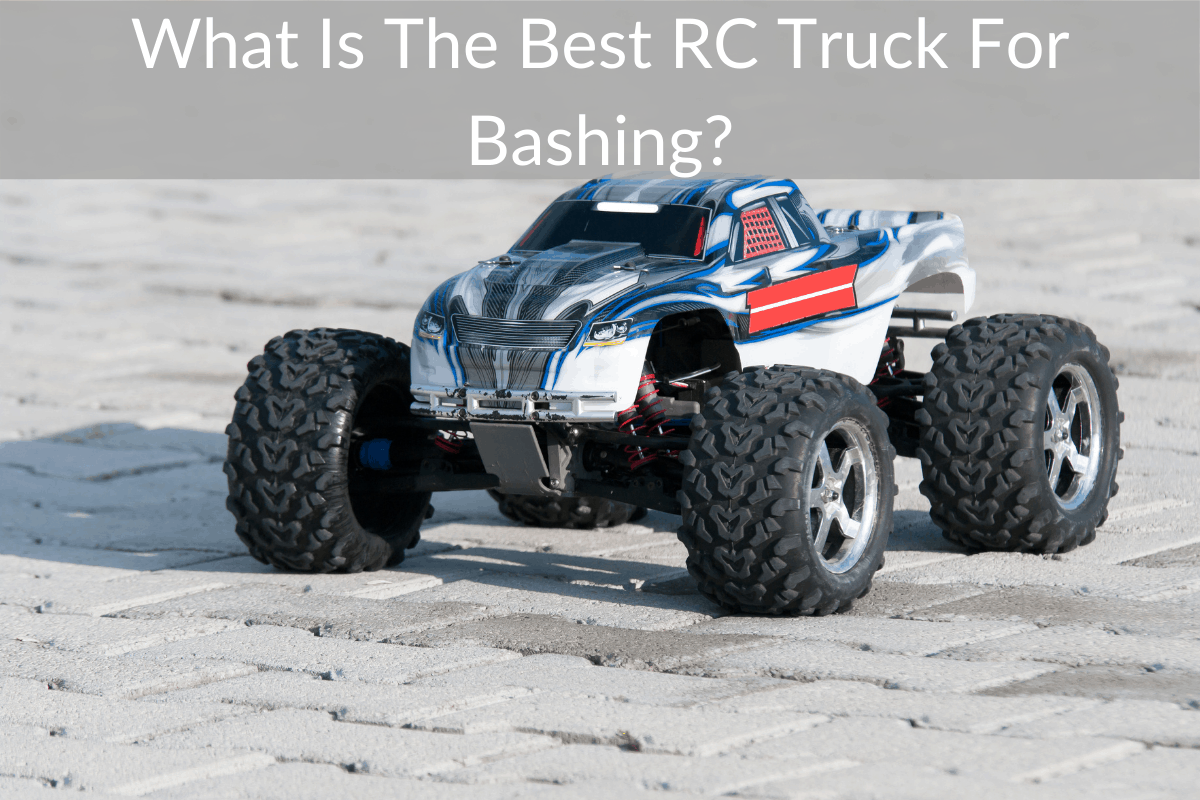
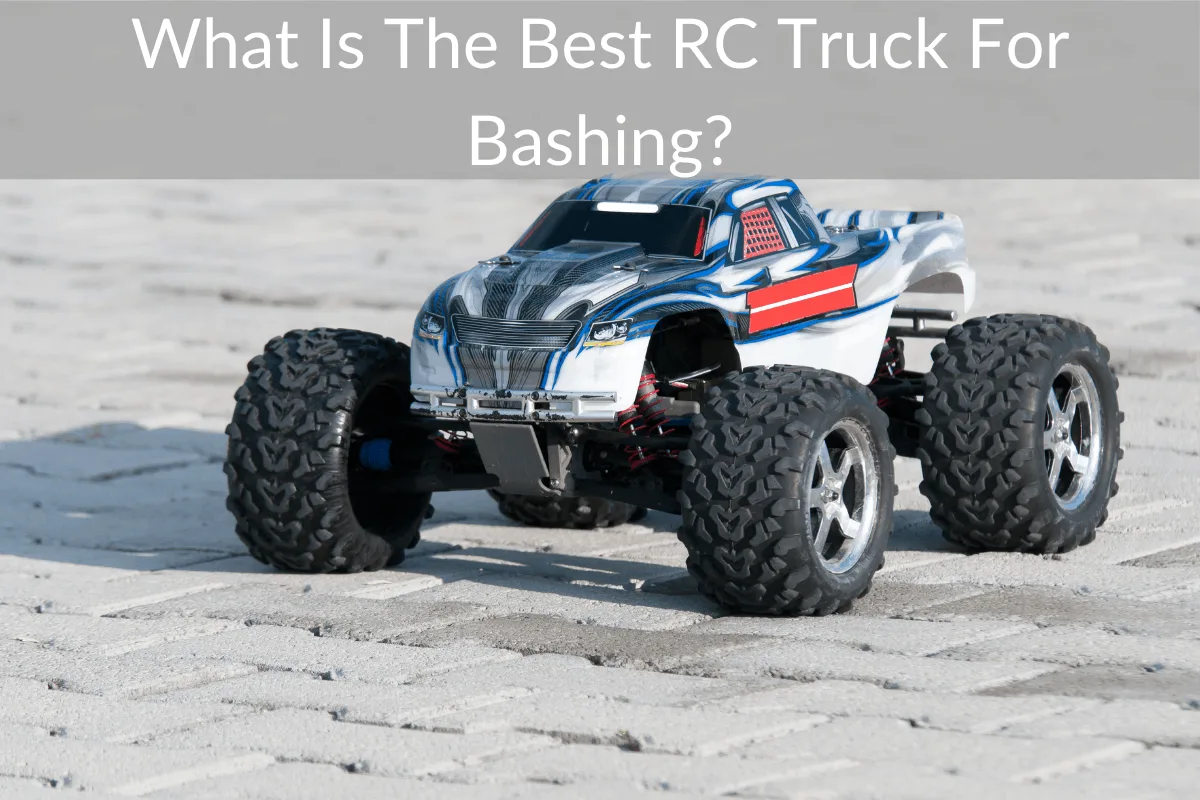
RC trucks usually cost between $20 and $300 for a solid hobby-ready model, with beginner-friendly options near the low end and more capable trucks near the top. Here’s what changes the price and ten real examples to help you compare.
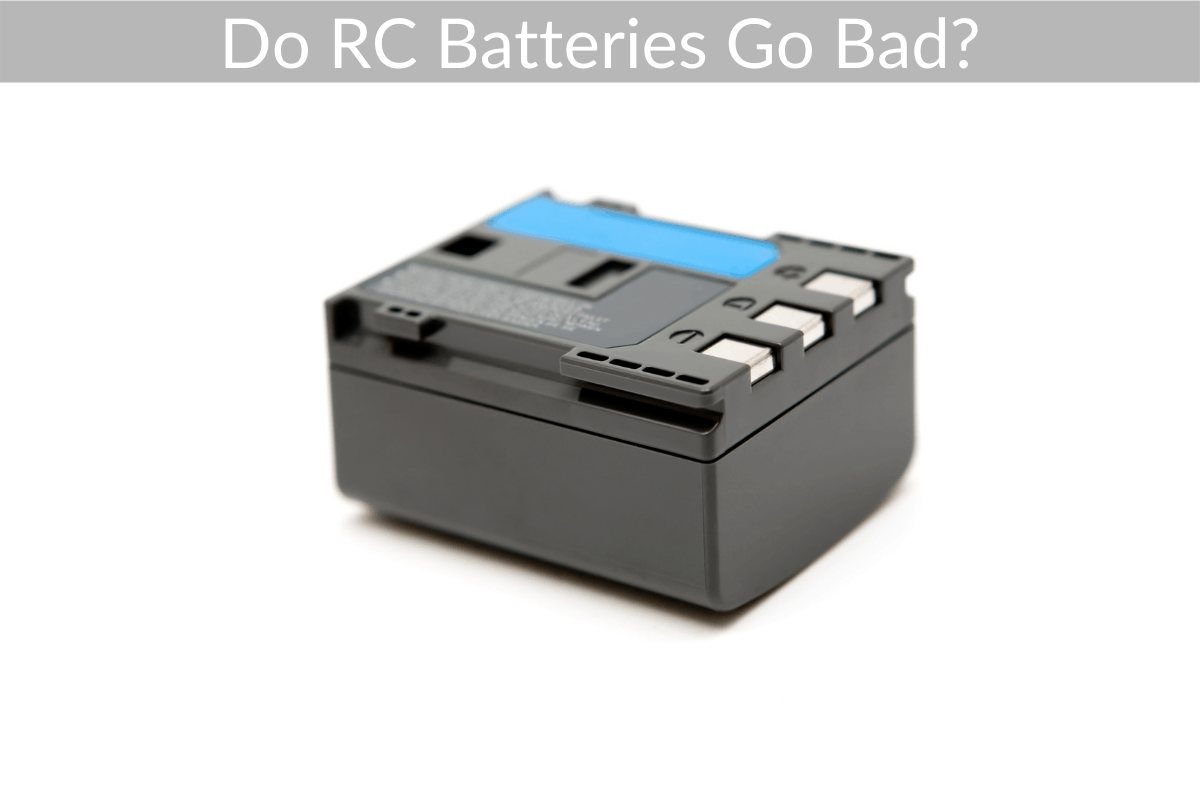
Yes, RC batteries do go bad eventually. Learn how different chemistries age, the warning signs of a weak pack, and the habits that help extend battery life.
The best place to drive an RC boat is usually a freshwater lake or pond where RC use is allowed, the water is deep enough, and you have a safe launch area. Nitros and gas boats need extra care because noise rules can narrow your options.
Older RC cars usually change frequency with a matching crystal set or a selectable channel, while 2.4GHz rigs bind instead. Here’s how to identify the radio gear, change it correctly, and avoid interference.
Yes, electric RC cars do have brakes, but most of the stopping is handled electronically by the ESC and motor. Learn how that works, what changes the feel, and when mechanical brakes make sense.
RC boat batteries usually last one to three hours, depending on the pack type, capacity, and how hard you run the boat. Learn what affects runtime, how LiPo and NiMH compare, and how to charge and store them safely.
Most RC cars do not use a traditional clutch. Many use a slipper clutch instead, and some models do not use one at all. Learn what it does, when to adjust it, and how to spot problems.
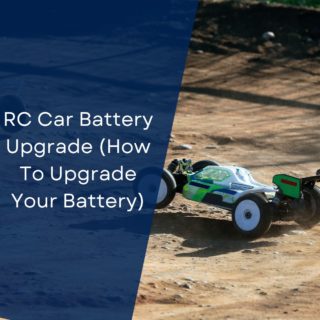
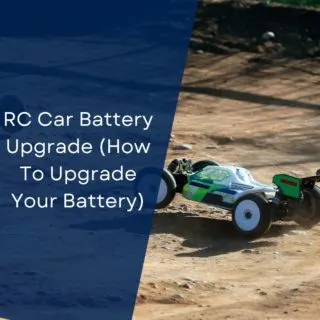
Upgrading your RC car battery can improve run time, punch, and sometimes top speed, but only if the pack matches the car’s motor, ESC, connector, and tray. Here’s how to choose the right chemistry, voltage, and capacity without creating new problems.
An RC helicopter that won’t fly is usually dealing with a weak battery, damaged blades, a loose shaft, worn gears, a bad motor, or a signal problem. Start with the battery, then work through the rest of the drivetrain and radio checks so you can narrow it down fast.
RC planes are not hard to fly once you start with a stable trainer and calm conditions. The real challenge is usually choosing the right plane, learning the controls, and flying in a safe place.
The fastest way to get water out of RC car tires is to drill a small vent hole in each tire and spin the tires until the water throws out. Here’s how to do it safely, plus what not to do and how to fix common problems.
Minor RC helicopter blade damage can often be fixed with tape or careful cleanup, but deep cracks, splits, and badly bent blades should be replaced. This guide walks through quick repairs, replacement blade steps, toilet bowl effect fixes, and the final balance check that keeps the helicopter flying smoothly.
Charge an RC helicopter via USB with the cable that came with the model, the right power source, and a careful plug-in order. Learn the safe steps, charge-light checks, and common mistakes to avoid.
RC helicopters are not hard to fly, but they do take patience, a stable beginner model, and some careful practice. A coaxial rotor setup, a simple transmitter, and low, slow flights make the learning curve much easier.
Silicone shock oil is the best choice for most RC cars. Learn how to pick the right cSt or WT, common starting ranges, and what to avoid.
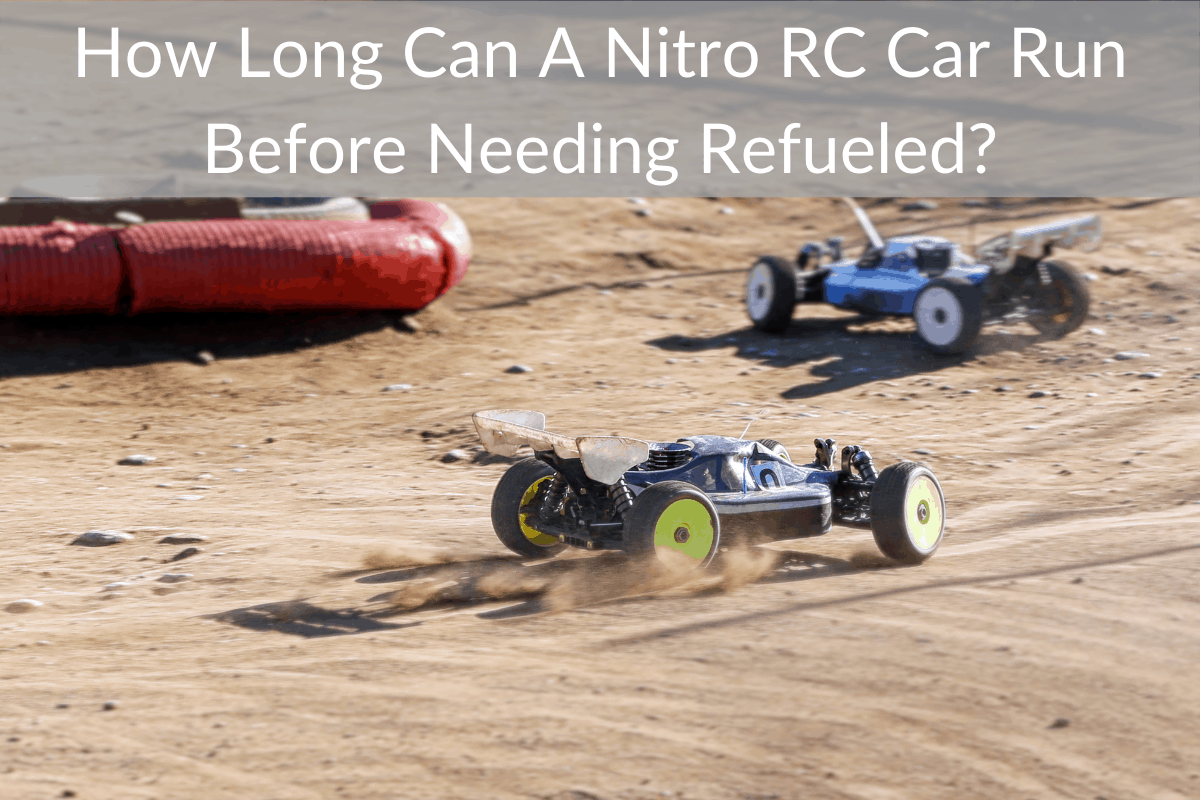
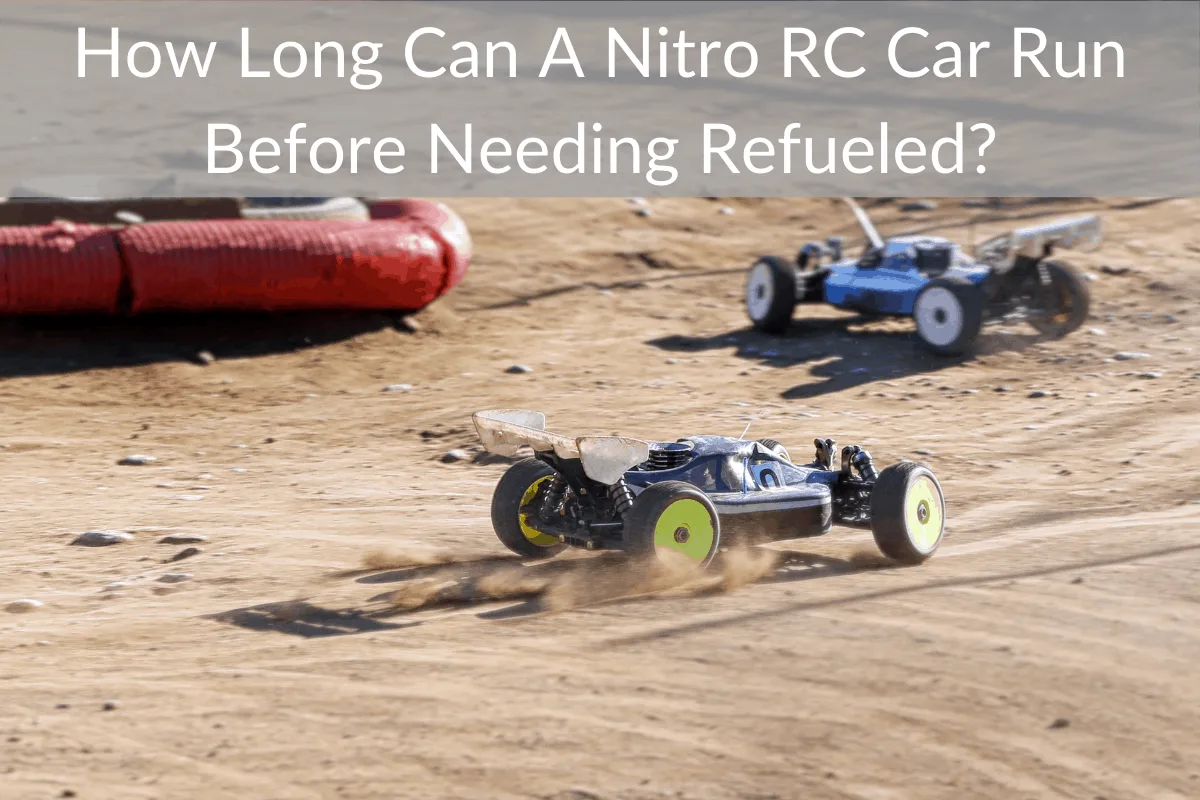
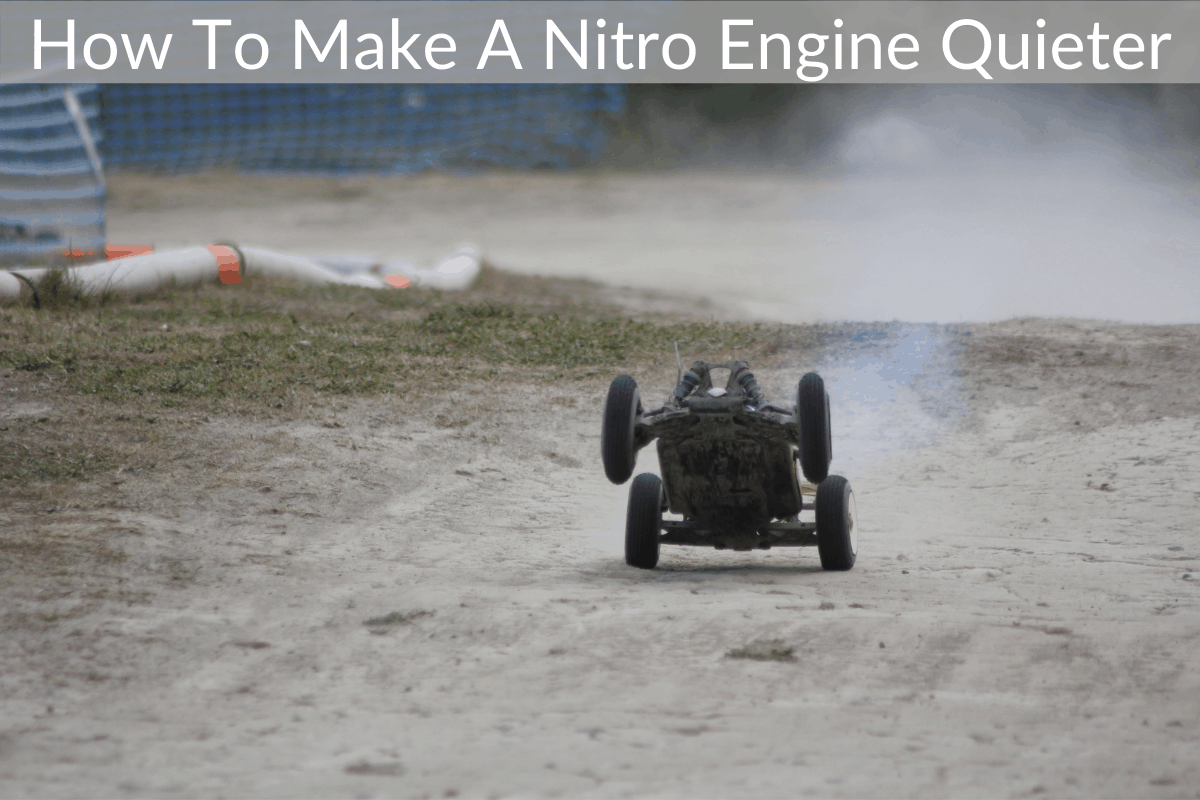
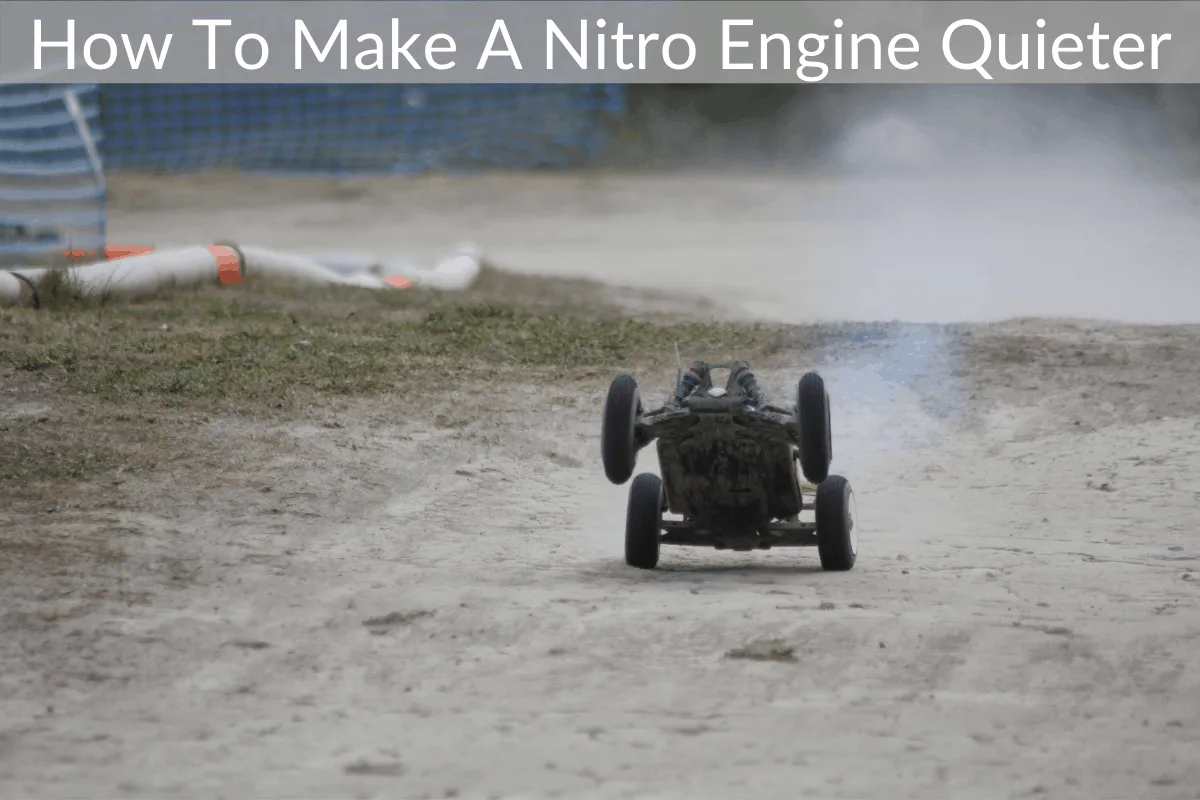
Nitro RC cars are usually around 90 decibels, about the same as a lawn mower. They can sound even louder in neighborhoods because of echoes, but there are a few practical ways to cut the noise.
The fastest way to make an RC boat faster is to improve the power system first, then match the prop, cooling, and hull setup to the water you run on. Start with small changes, test one part at a time, and watch temperatures closely so you gain speed without cooking the electronics.
An RC car that won’t turn usually has a servo, transmitter, trim, EPA, or wiring issue. This guide shows the fastest checks and when a part really needs replacing.
The easiest way to pick the right RC car is to match the car to your driving surface, skill level, budget, and how much assembly you want to handle. This guide walks through size, RTR vs. kit, electric vs. nitro, brushed vs. brushless, battery choices, brands, and common beginner mistakes so you can buy with confidence.
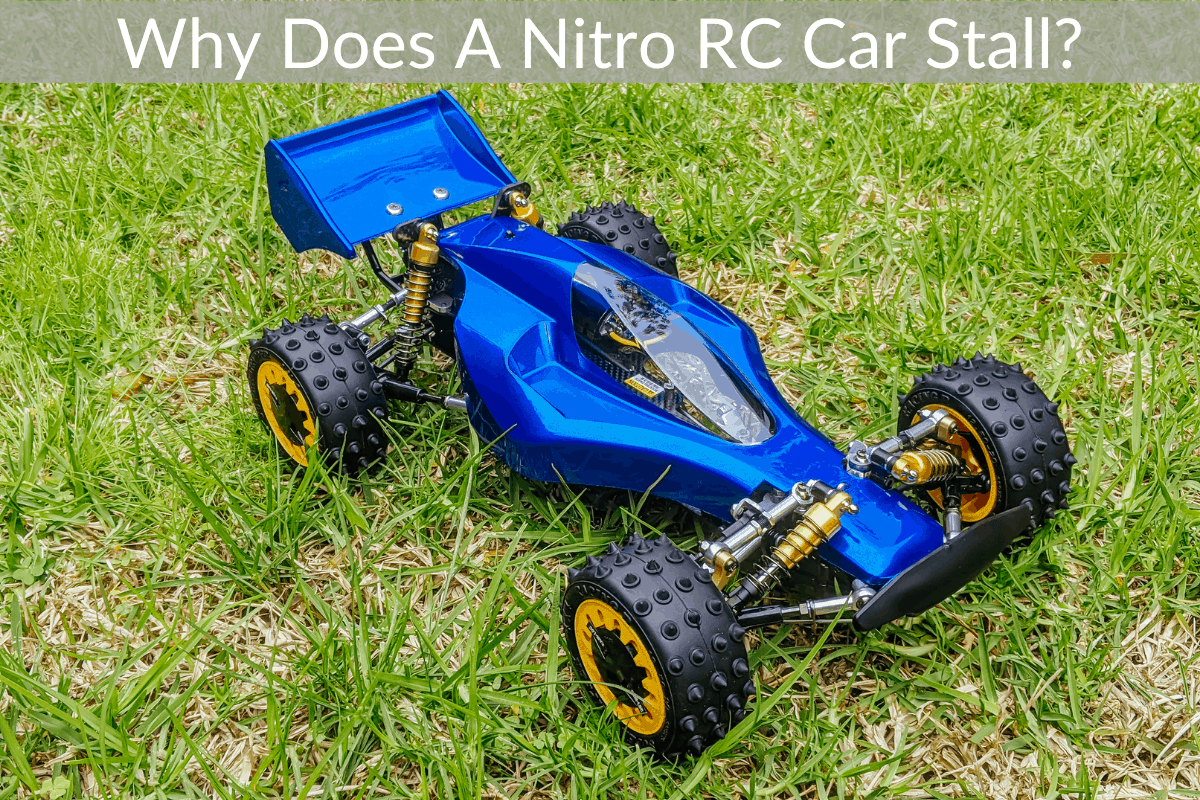
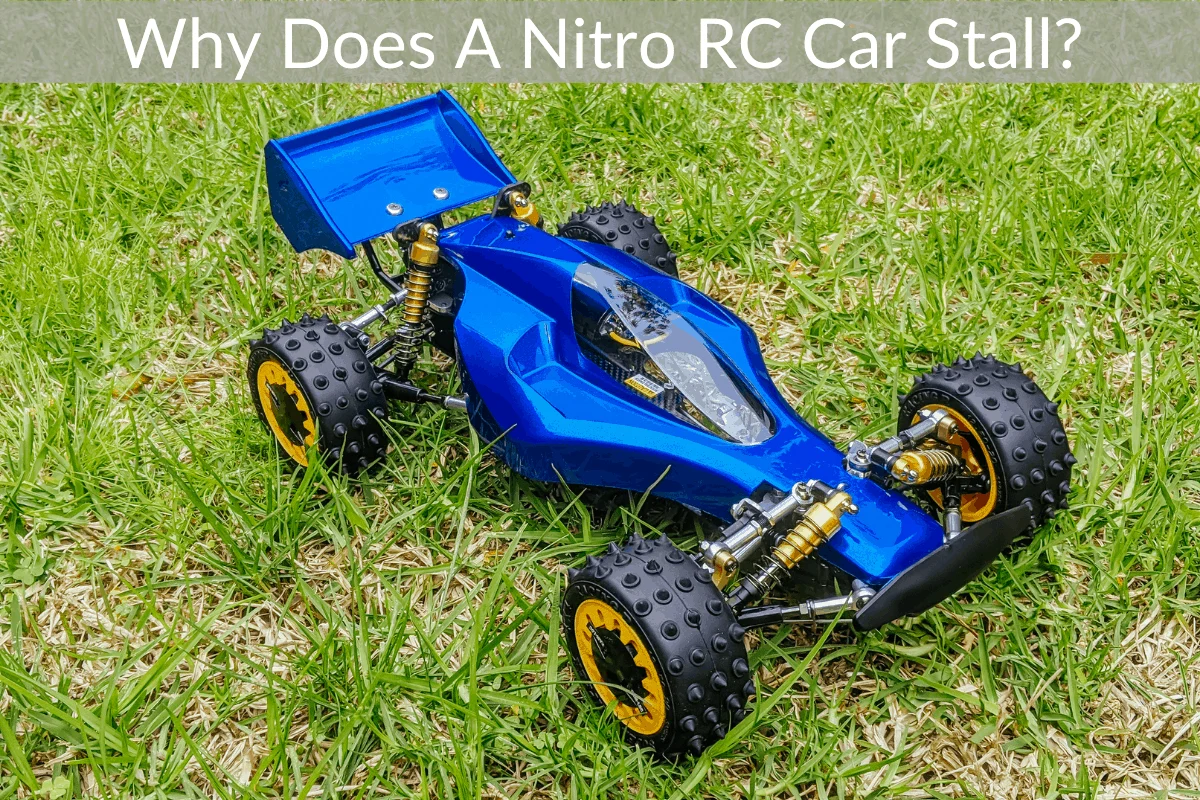
A stock nitro RC car should not run on regular gasoline. Nitro engines are built for methanol-based fuel, and gas will usually damage the engine unless the car has been properly converted to a true gas setup.
An RC helicopter that won’t charge is usually dealing with a battery, charger, connection, or voltage problem. Start with the pack itself, then check the charger, wiring, and overall condition of the helicopter so you can get back in the air faster.
Most RC planes should not be flown in the rain. Water can short electronics, fog a lens or canopy view, and leave you dealing with corrosion and loss of control.
An RC car can pull some weight, but the real limit depends on traction, terrain, cooling, and setup. Learn how to estimate pull capacity, choose the right RC, and avoid damaging the drivetrain.
Most RC batteries arrive partially charged, not full, and LiPo packs are often shipped at a storage charge. Here’s what that means for your first run, how NiMH and LiPo differ, and when a battery should raise concern.
Choose the right RC car battery by matching chemistry, voltage, capacity, connector type, and tray size. This guide breaks down NiMH, LiPo, battery labels, charger choices, and basic maintenance.
An RC helicopter that won’t fly straight usually has a damaged part, an out-of-balance gyro or trim issue, or a pilot setup problem. Here’s how to narrow it down and fix it.
RC plane flaps help the model fly slower without stalling, shorten takeoffs and landings, and make approaches easier to control. Here’s how they work, when they help most, and what to know before adding them to an existing plane.
No documented RC plane has broken the sound barrier yet. The fastest recorded model has come close, but it still sits far short of Mach 1, and the gap is larger than most hobbyists expect.
The best RC car kit for a complete beginner is usually a ready-to-run electric model with good parts support. Here are four beginner-friendly brands, plus the key things to check before you buy.
You can use a higher-voltage battery in an RC car only if it stays within the limits set by your ESC and manual. Go past that range and you can damage the ESC, motor, or both.
Want longer run time and a longer battery life from your RC car, plane, or helicopter? These practical battery care habits cover charging, storage, heat, and replacement basics.
For most RC car bodies, the safest place to start is with Duratrax, Tamiya, or Testors Pactra. The right choice depends on whether you are painting Lexan, another polycarbonate body, or a hard body such as ABS or styrene.
The right RC plane motor matches the airframe, propeller, battery, and flying style. Here’s how to narrow it down without guessing.
Clean an RC air filter by removing the foam element, washing it with warm soapy water, drying it fully, and re-oiling it before reinstalling it. A proper seal and the right cleaning frequency help protect the engine from dirt and debris.
Most ready-to-run RC trucks land around 20 to 60+ mph, with brushless rigs leading the pack. Here’s how the fastest trucks compare, what really changes top speed, and how to make your truck quicker without damaging it.
Nitro RC cars are not hard to maintain, but they do need regular after-run care and cleaning. Learn the simple maintenance routine that helps prevent corrosion and keeps the engine, air filter, chassis, and fuel system working well.
Some newer RC cars can be controlled from your phone right out of the box, while older cars usually need a Bluetooth conversion. Here’s how to check what you have, what parts you need, and how to wire and test the setup.
Build a simple RC truck ramp with basic plywood, 2x4s, and screws. Learn the right ramp width, angle, materials, step-by-step build, and a few ways to add traction and durability.
RC planes usually cost about $200 to get started, and beginner ready-to-fly models often run $200 to $350. Smaller foam trainers can be cheaper, while larger or more complex planes cost more once you factor in the aircraft, battery, charger, and spare parts.
If an RC car starts cutting out, refusing to steer, or losing range, the problem is usually in the battery, antenna, transmitter, binding, or wiring. A simple step-by-step check can usually narrow it down fast and tell you whether you need a quick fix or a replacement part.
RC car tires need replacement when they wear down, lose grip, or no longer suit the surface you drive on. The job is manageable with the right tools, a steady glueing process, and a good match between tire type, size, and terrain.
An RC plane can usually carry only a modest amount of extra weight, and the real limit depends on wing area, balance, and motor power. Most models fall somewhere around 10 to 20 ounces per square foot of wing, with trainers, sport planes, and heavy scale aircraft each handling different loads. This guide shows how to judge the limit, what adds weight, and what to avoid before you fly.
You can usually fly an RC plane at an RC flying club, on private property with permission, or on public land only when local rules allow it. The FAA, local governments, park rules, and club requirements all matter, so it pays to check the field before you take off.
Yes, but only if the car is ready for cold, wet conditions. Snow, moisture, brittle plastic, thickened fluids, and weak batteries can all cause problems.
Build your own RC track by choosing an indoor or outdoor setup, picking the right surface, planning the layout, and adding lanes, jumps, and safe driver space.
RC vehicles are usually water-resistant, not truly waterproof, and a “waterproof” label still does not make them safe for full submersion. A little splash may be fine, but water can still damage the radio system, battery, tires, and electronics if it gets where it should not.
An RC remote control works by sending a wireless signal from the transmitter to a receiver inside the model. That signal tells the motor, steering, or other functions what to do. This guide breaks down the parts, the frequencies, the controller styles, and the differences between radio and infrared remotes.
Tamiya RC cars are generally very good if you want a quality model kit instead of a toy-grade RC car. They offer solid handling, strong suspension, and a lot of room to build and customize, but they do require assembly and, in some cases, a separate RC kit.
RC helicopters have two rotors mainly to cancel torque and keep the model from spinning out of control. The design also makes yaw control smoother on small coaxial helis, where a tail rotor would be less effective. Here’s how the rotor setup works, what the gyro does, and how coaxial helicopters differ from larger RC helis.
The best first RC car for a kid is usually simple, durable, and easy to control. This guide covers the strongest picks by age and use case, plus what to look for before you buy.
RC boats can run in saltwater, but salt is hard on metal parts, electronics, and bearings. The key is simple prep before launch and thorough cleaning, drying, and lubrication afterward.
RC car tires are measured by the wheel fitment more than the tread itself. Rim width, mounting hex size, and offset are the parts that matter most when you’re matching tires and rims.
Use AUW, CG, and lateral balance to tell whether your RC plane is actually too heavy or just out of balance.
A practical look at the Traxxas Rustler’s stock setup, package differences, speed, handling, durability, and which version makes the most sense for your budget.
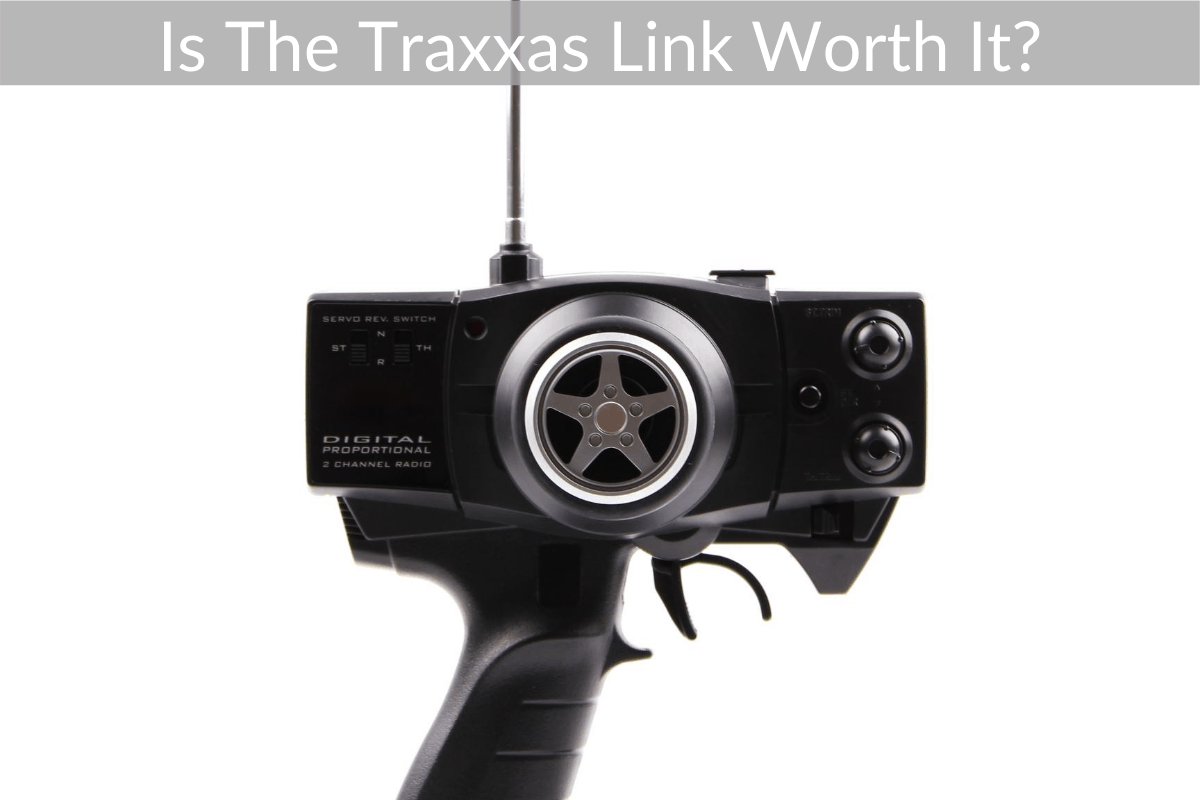
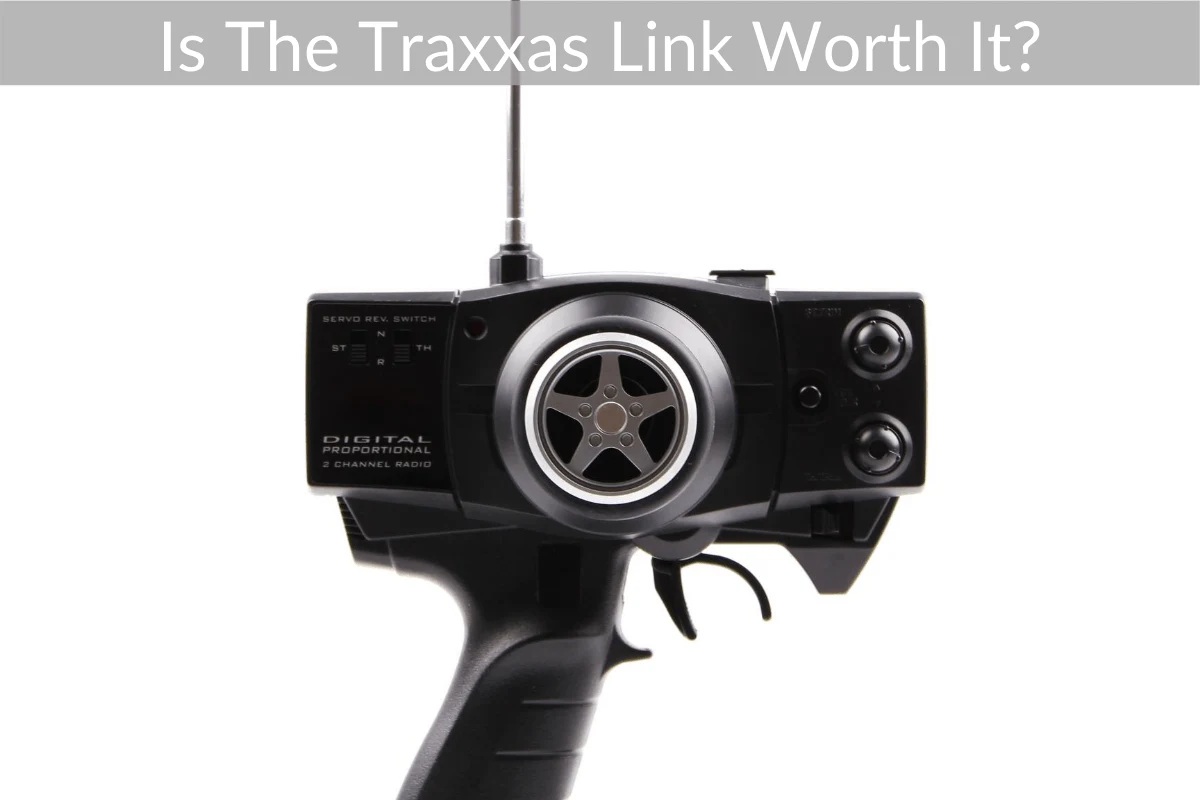
The Traxxas Link is worth it for most Traxxas owners who want tuning control, live data, and training mode, but the full feature set depends on compatible TQi hardware and telemetry sensors.
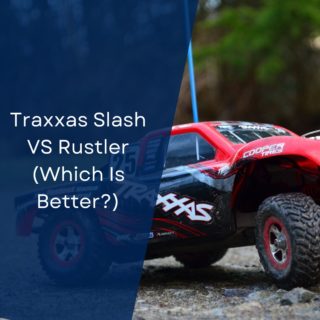
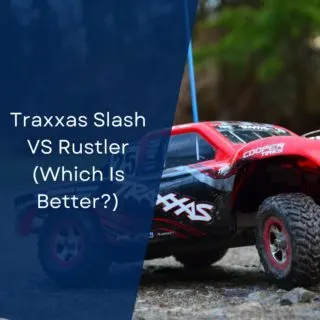
A clear side-by-side look at the Traxxas Slash and Rustler, including speed, handling, battery setup, maintenance, and which truck fits beginners best.
Traxxas usually comes out ahead for build quality, customer support, and parts availability, while Arrma is a strong alternative with a wide lineup and plenty of RTR options. The better pick depends on how you plan to drive, how often you break parts, and what kind of support you want after the sale.
Traxxas RC cars span a wide speed range, from around 30 mph to 100 mph on the XO-1. The right choice depends on whether you want a family-friendly basher, a race-ready car, or an extreme speed machine.
Traxxas bodies can be interchangeable, but fit depends on the chassis, body mounts, and a few practical limits. Learn what usually fits, when trimming or mounting changes are needed, and how to swap bodies cleanly.
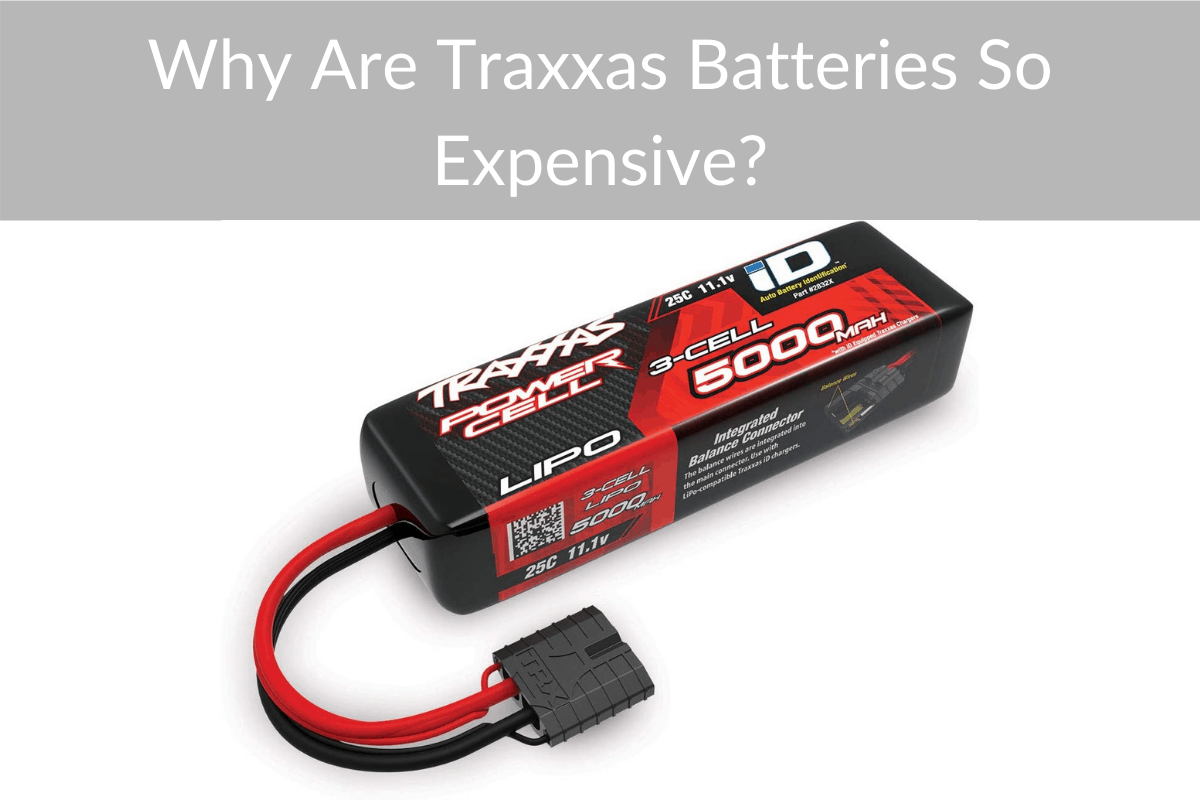
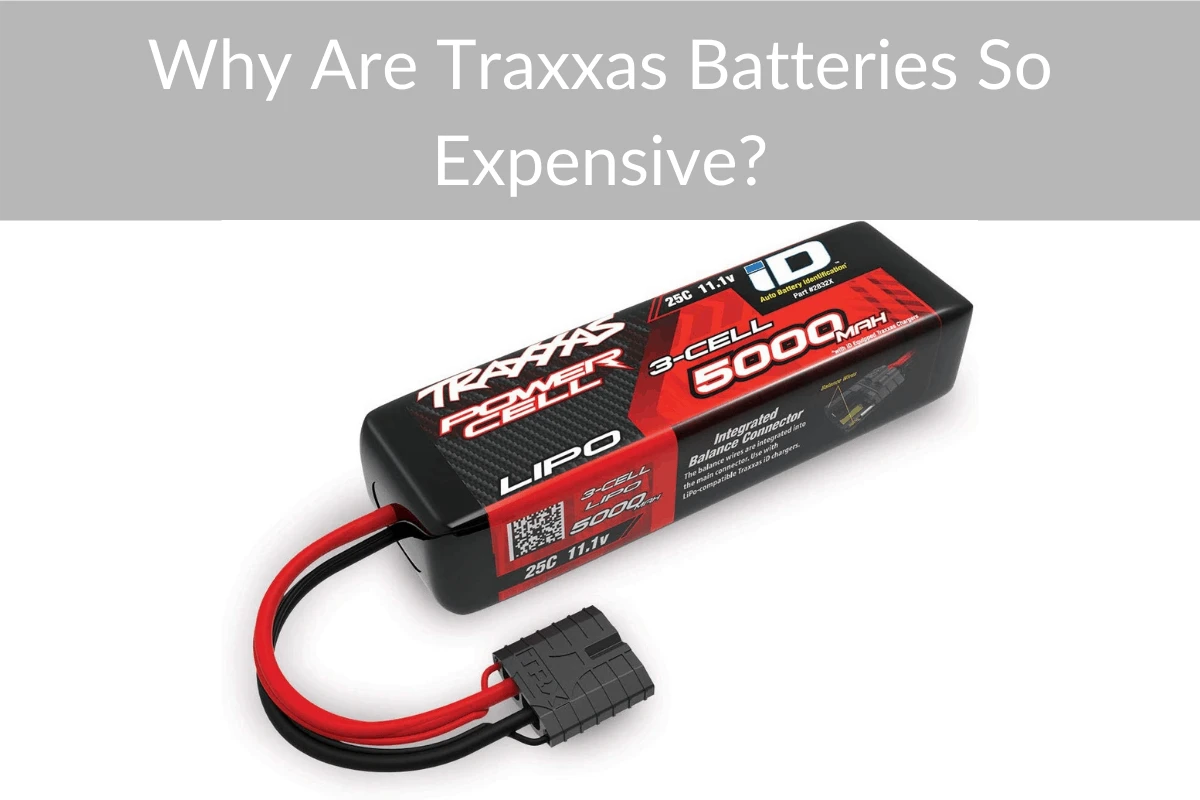
Traxxas batteries are worth it for most owners who want dependable quality, longer runtime, and easier charging. A cheaper battery can still make sense if you swap packs often or are trying to keep costs down.
Traxxas batteries are generally a solid choice if you want reliable performance, but the best pick depends on your vehicle, charger, and budget. Here’s how NiMH and LiPo Traxxas packs compare, what their example specs look like, and when they’re worth the money.
Redcat Racing electric RC cars are the easier choice for most beginners, while nitro cars suit hobbyists who want more sound, tuning, and hands-on maintenance. Here’s how they compare in the real world.
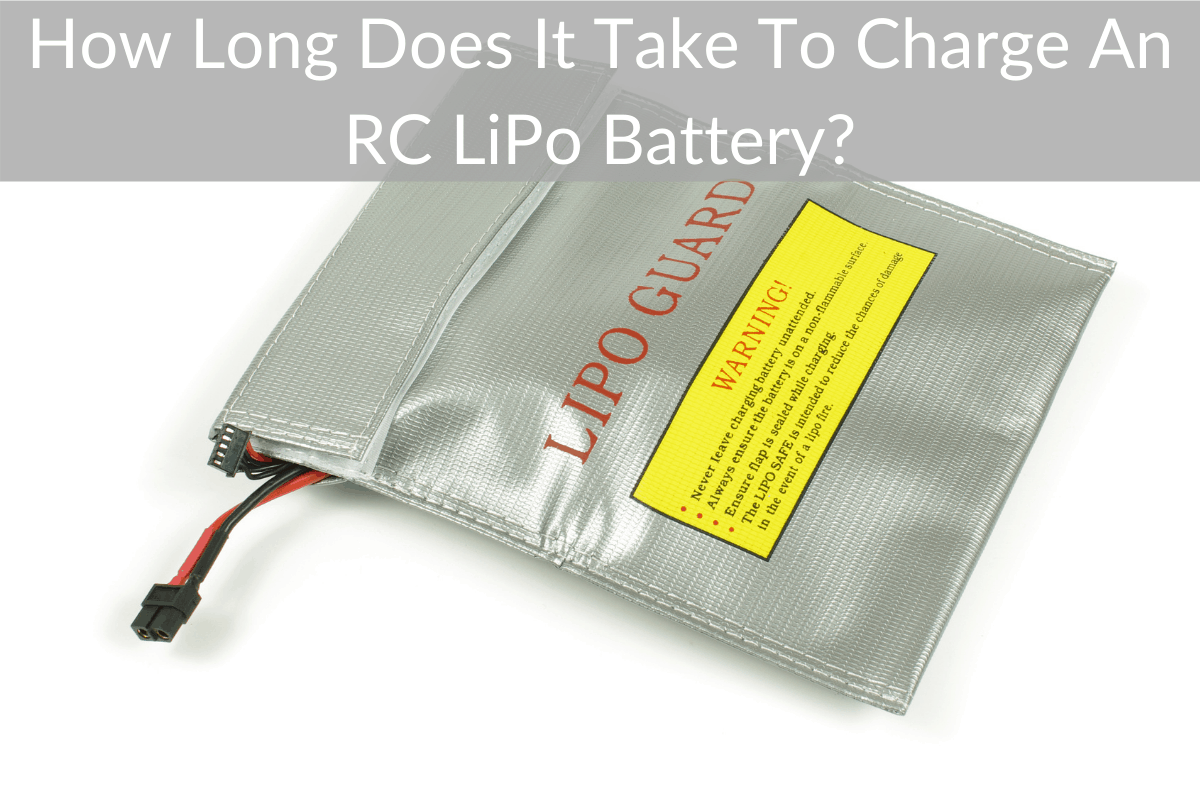
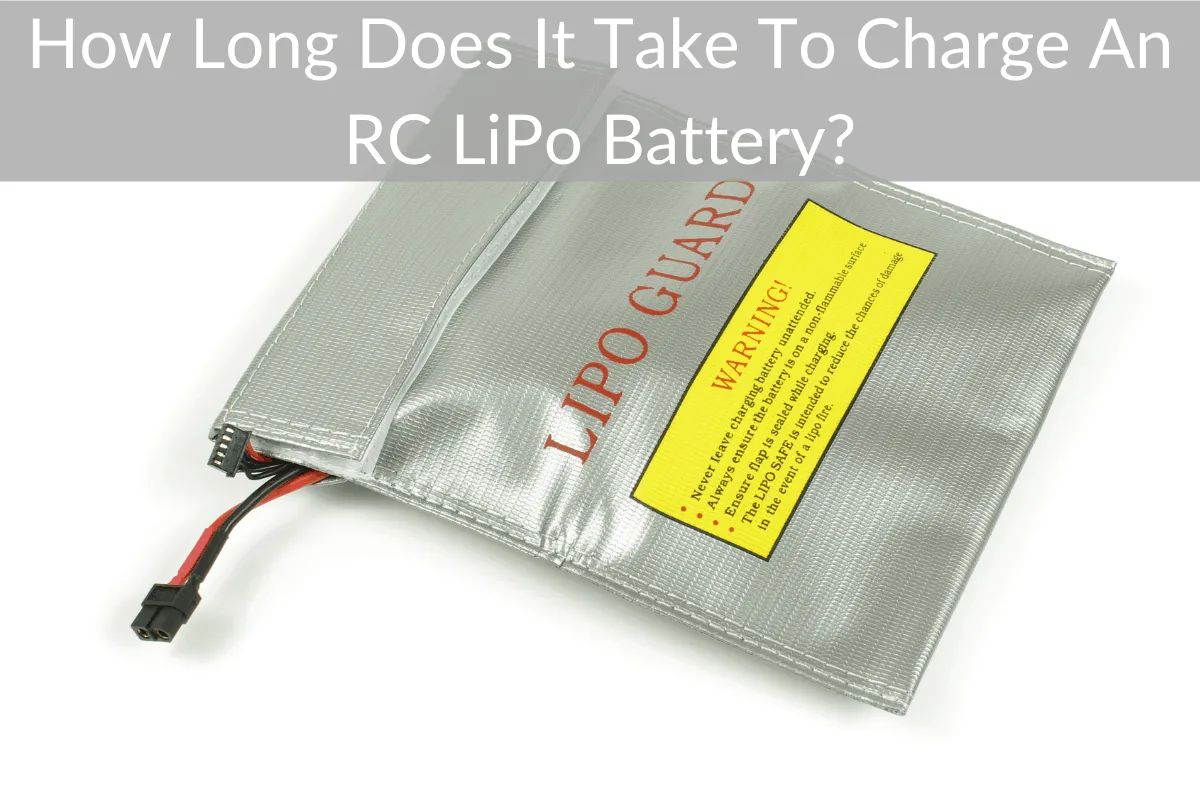
A typical RC LiPo battery lasts about 2 to 3 years, and many packs can handle roughly 400–500 charge cycles when they’re cared for properly. Runtime depends on the vehicle and how hard the pack is worked, while lifespan depends more on storage, charging habits, and battery health.
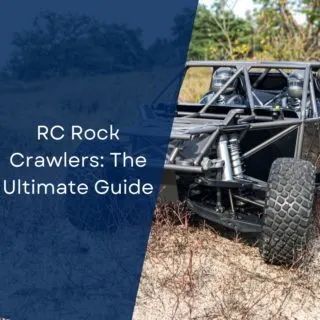
RC rock crawlers are built for slow, controlled off-road driving, with most running around 10-15 mph. Learn the types, driving techniques, upgrades, and beginner basics that matter most.
Yes, you can use an RC car on the beach, but the best results come from an off-road model with decent ground clearance and a thorough cleanup afterward. Sand, salt water, and loose conditions all matter, so the right car and a little maintenance make a big difference.
The Traxxas Rustler is water resistant, not waterproof for full submersion. It can handle rain, snow, ice, and puddles, but you should dry it out after wet running and avoid driving it into lakes or deep water.
Electric RC cars are usually faster than nitro RC cars, especially once brushless motors and LiPo batteries enter the picture. Nitro still has advantages in runtime and engine feel, but electric wins on top speed in most hobby-grade setups.
Traxxas sells both brushed and brushless RC cars. Learn how to tell the difference, what changes between them, and what to check before buying.
LiPo batteries are safe when they are charged, stored, and used the right way, but damage, overcharging, and poor storage can make them dangerous. Learn the main risks, how to charge them safely, and what to do if a pack swells or smokes.
The slowest Traxxas RC car is the TRX-4 with tank tread tires, with a top speed around 5–10 mph. Here’s how it compares with other Traxxas models and what makes an RC car slow.
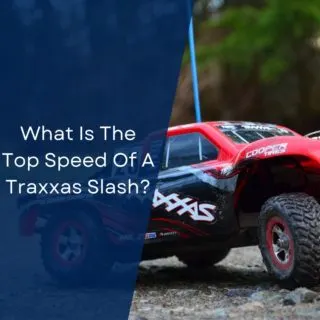
A stock Traxxas Slash usually runs 30–35 mph, while upgraded LiPo and gearing changes can push it much faster. Here’s how the different Slash setups compare and what matters most when choosing one.
A stock Traxxas Slash usually runs between 30 and 60 mph, with the Slash 4×4 commonly landing around 35 to 45 mph before upgrades.
The Traxxas XO-1 is the fastest RC car in the source material, with a top speed of just over 100 mph and 0-60 in 2.5 seconds. This guide also breaks down realistic speed ranges, what changes top speed, and safe ways to make an RC car or truck faster.
Upgrading an RC car battery is usually a simple swap, and moving from NiMH to LiPo is the biggest change most hobbyists make for more speed and punch. The main things to check are fit, connector style, charger compatibility, and whether your car can handle the extra power.
Traxxas batteries are not waterproof from the factory, but there are practical ways to protect them from rain, splashes, and wet conditions.
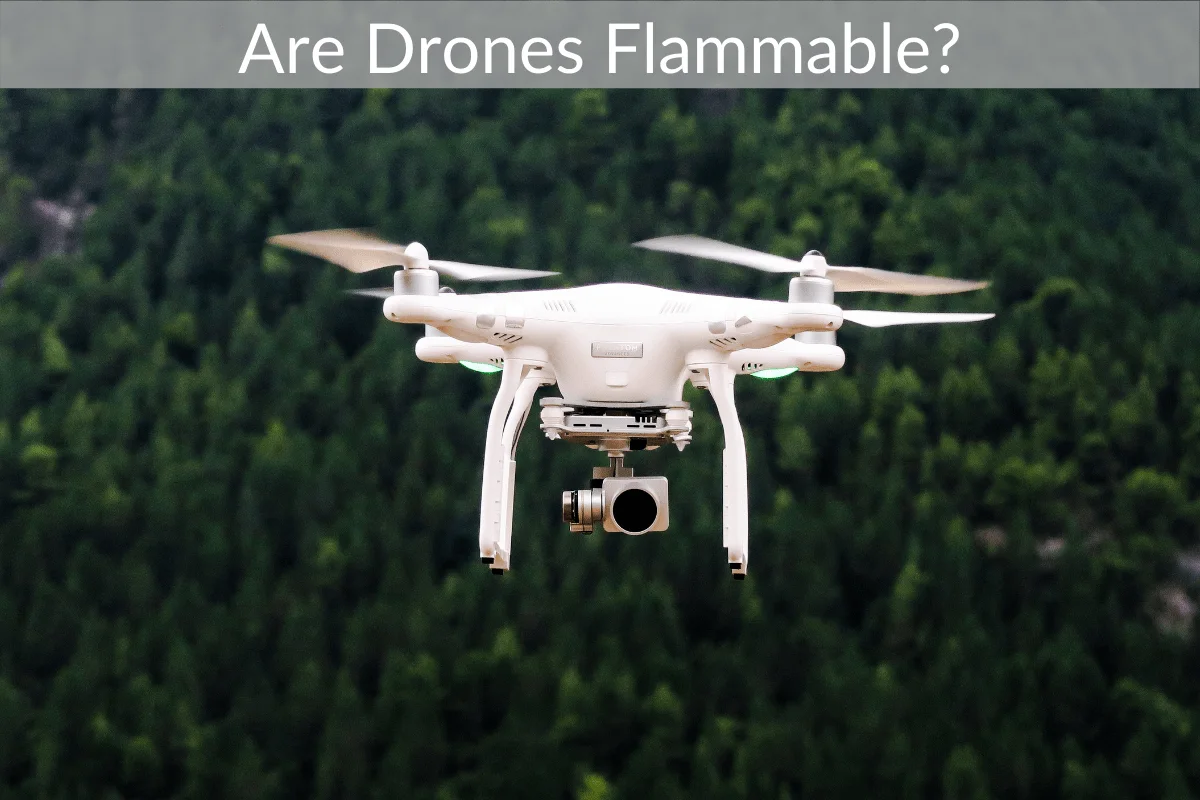
Most drones have lights, and those LEDs usually tell you more than just whether the aircraft is powered on. Learn what the common colors mean, when night-flight lights are required, and what to check if the pattern looks wrong.
Only a few RC cars can drive on water without major changes. Amphibious RC vehicles can do it out of the box, while some waterproof electric rigs can skim across the surface with the right tires and setup.
The easiest way to clean an RC car is to remove loose dirt first, then wash or wipe it with the right cleaner for your model. A dusty car only needs a quick brush, while a muddy one may need more careful teardown, drying, and metal protection.
Drones can be expensive, but the price usually comes from the camera, flight stability, battery system, and advanced hardware packed into the frame. Here’s what drives the cost and what to expect at different price points.
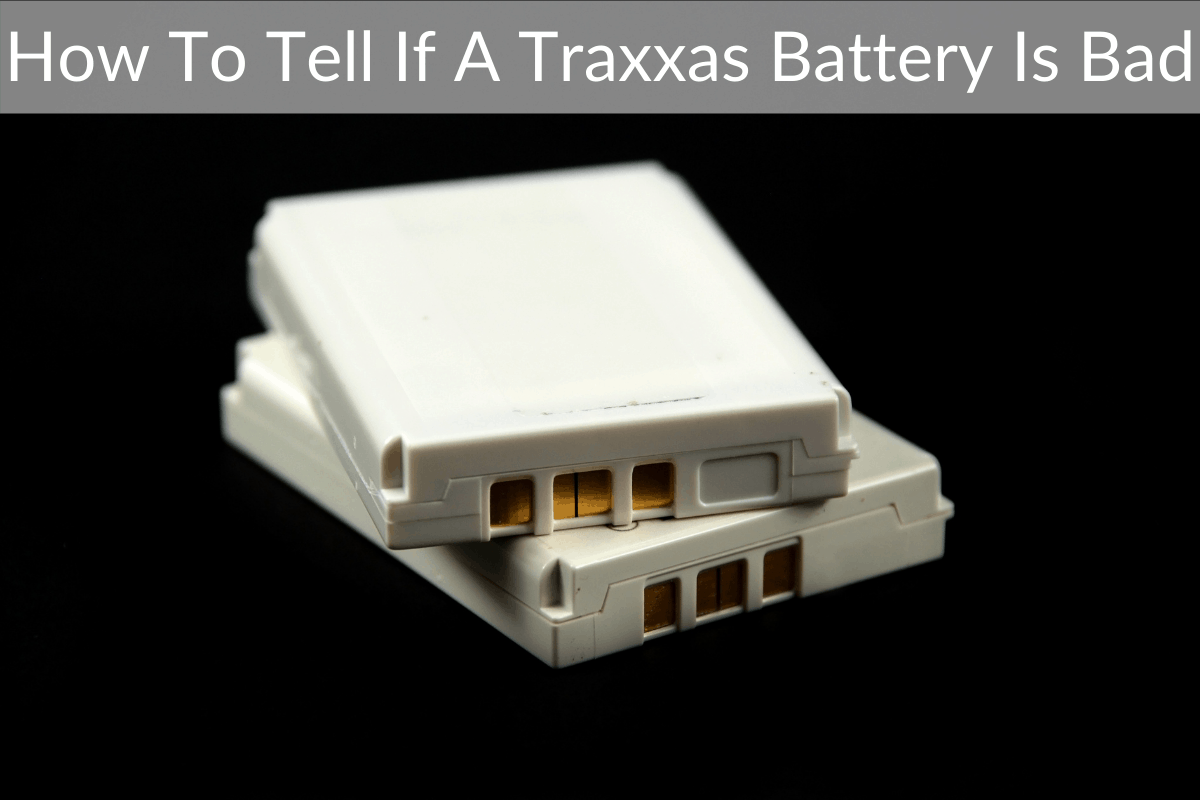
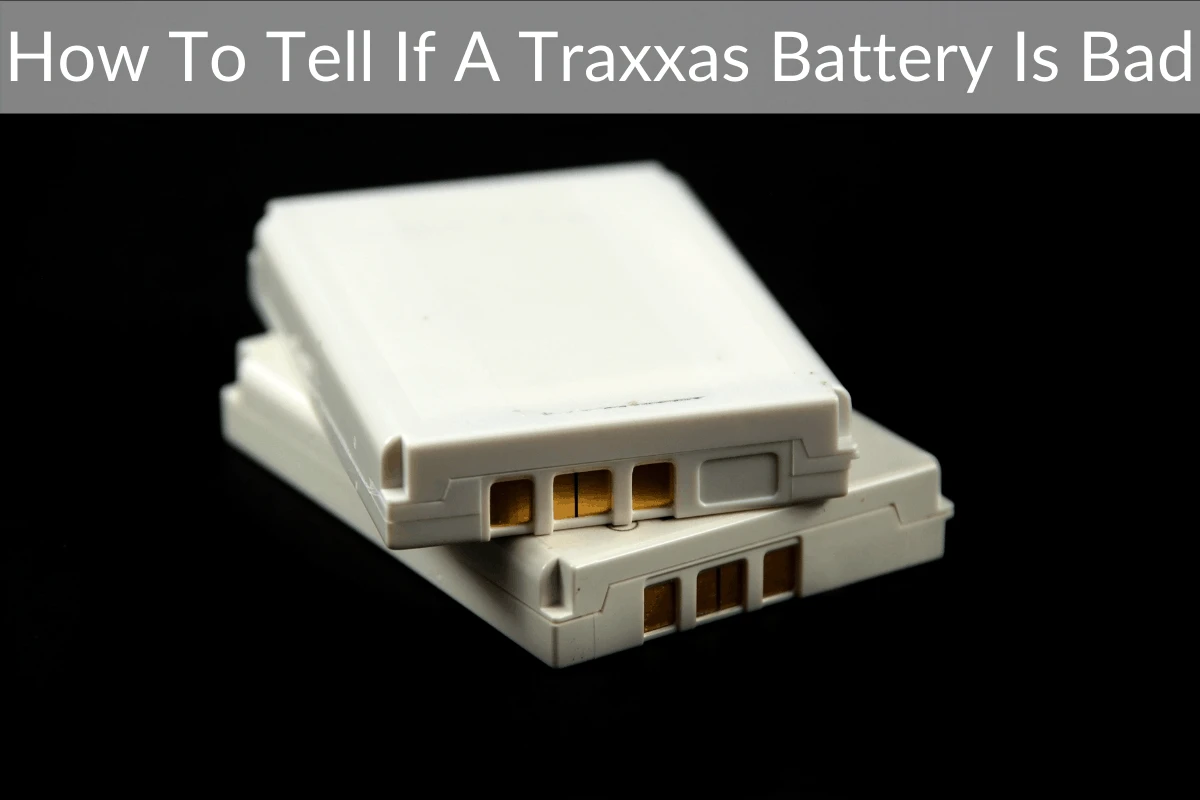
A bad LiPo battery is usually easy to spot if you know what to look for. Puffing, swelling, damage, unusual smell, smoke while charging, and high internal resistance are the biggest warning signs.
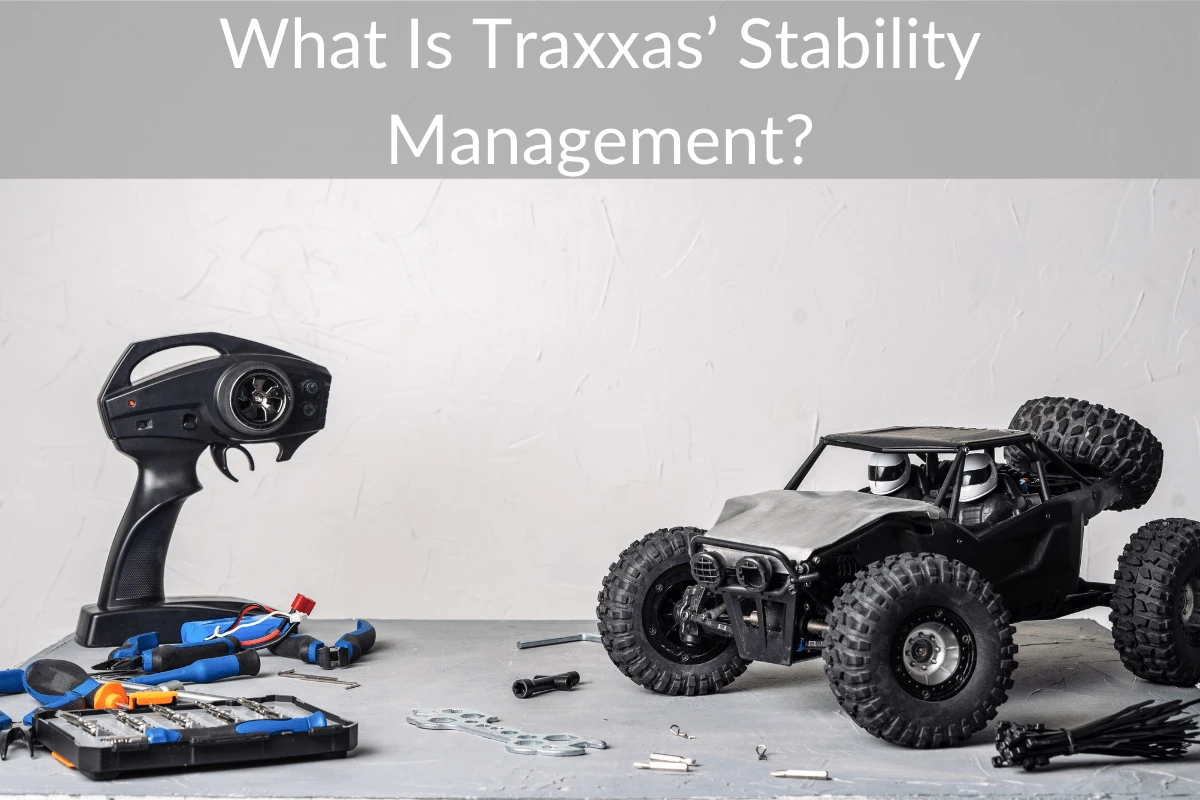
The cheapest new Traxxas RC car is the Traxxas Rustler 1/10 2WD. It still comes RTR with waterproof electronics, a battery, a charger, and Traxxas Stability Management, so it is a strong starting point if you want a Traxxas without jumping into the pricier models.
Drones are not silent. Most consumer drones make a buzzing sound you can hear, especially up close, but distance, prop size, and flight style change how loud they seem.
A drone can often fly over private property, but low hovering near a home, yard, windows, or doors can create trespass, nuisance, or privacy problems. The exact answer depends on altitude, local rules, and what the pilot is doing.
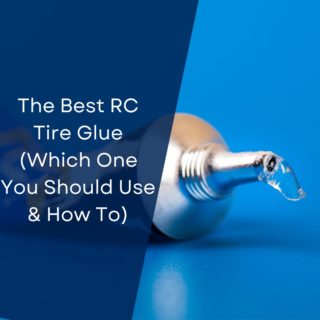
The best RC tire glue for most tire-to-rim jobs is Team Associated 1597 Factory Team Tire Adhesive, while MXLR Elastic Tire Glue is better for flexible sidewall repairs. Learn how to prep, glue, and fix RC tires so the bead holds under racing loads.
Traxxas usually wins on durability, quality, and performance, while Redcat usually wins on price and beginner value. The better brand depends on whether you want a higher-end RC car or a more affordable way into the hobby.
LiPo batteries need more care than most RC packs, especially when charging and storing them. Learn the safe basics, what affects runtime and lifespan, and the warning signs that tell you a pack is due for replacement.
A drone is worth buying when you have a real use for it and the price fits how often you’ll fly it. Small toy drones can be great for backyard fun, while pricier camera drones only make sense if you’ll use the features regularly.
Store LiPo batteries at 3.8-3.85 volts per cell, keep them in a cool dry place, and use a fire-resistant container or LiPo bag. Here’s how to do it safely.
LiPo is the better battery for most RC cars because it delivers steadier voltage, more punch, and faster charging. NiMH still makes sense for many RTR cars and beginners who want simple, rugged, low-maintenance power.
You can usually tell what scale your RC car is by checking the listing, box, or model number, and if those are missing, a few simple measurements can help.
The DJI Mavic Mini should not be flown in the rain. Moisture, wind, and humidity can damage the electronics, camera, and sensors, even if a light drizzle seems harmless.
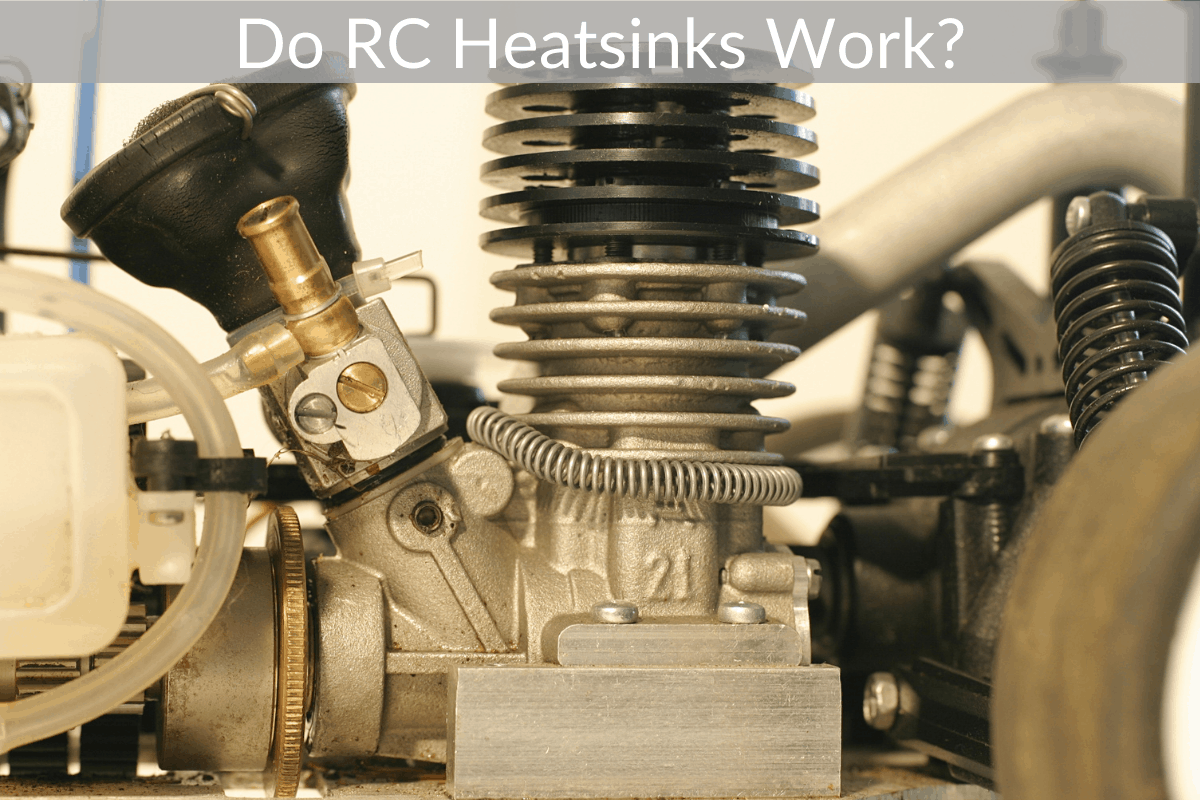
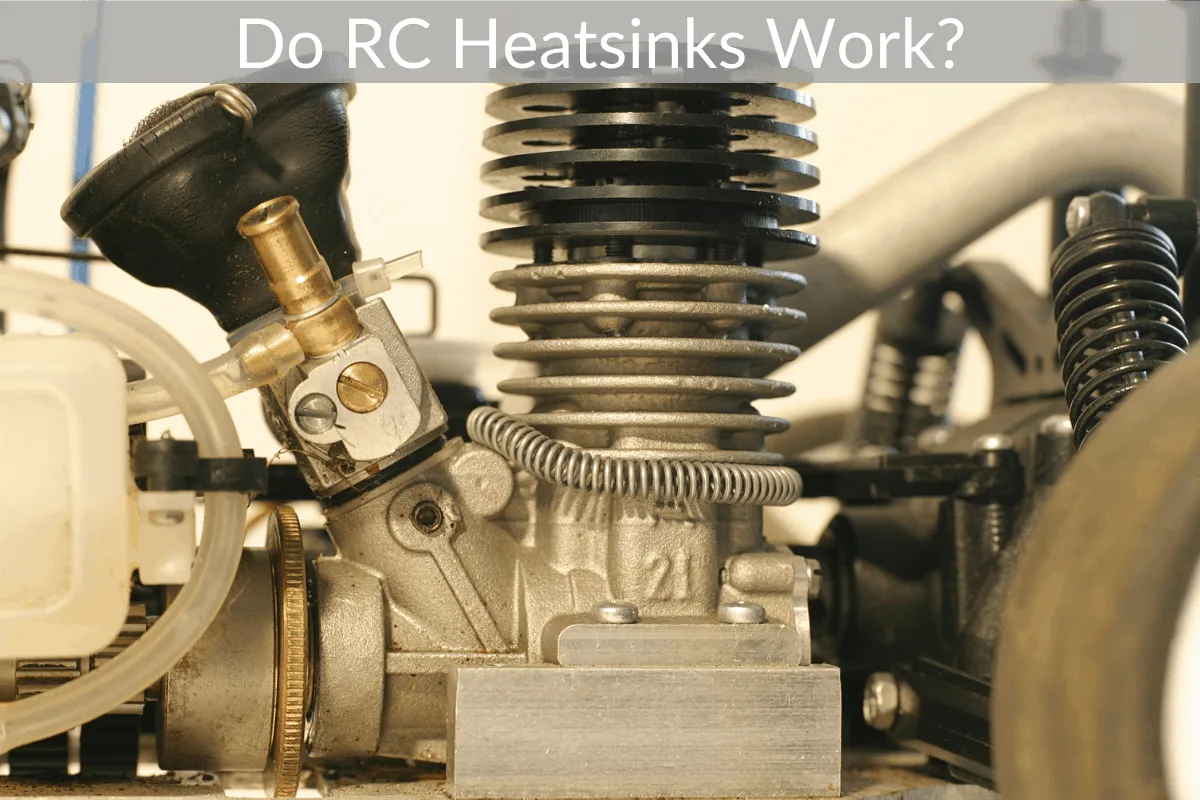
RC heatsinks do work, but they are only helpful when they fit the motor or electronics properly and still leave room for airflow. Bigger is not always better, and a clean, lightweight aluminum heatsink is often the best practical choice.
A DJI Mavic Mini can fly at night, but it does not have night vision and it is a poor choice for dark conditions. Visibility is the main problem, along with obstacle risk, GPS drops, and the chance of losing sight of the drone.
Drones are safe when flown responsibly, but they can become dangerous if they crash, invade privacy, or are flown in the wrong airspace. Here’s how to think about the risks and stay on the safe side.